
-
Coming soon
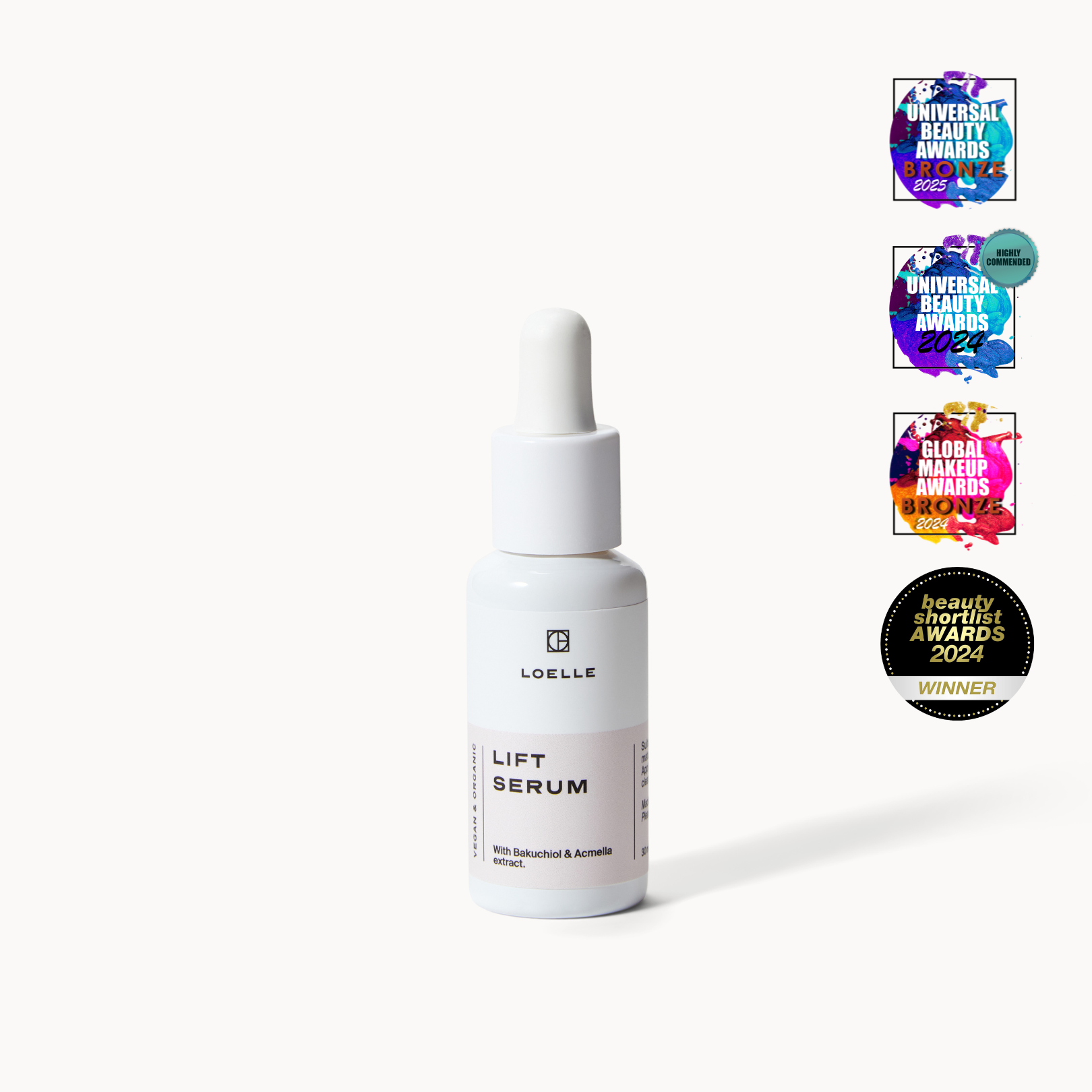
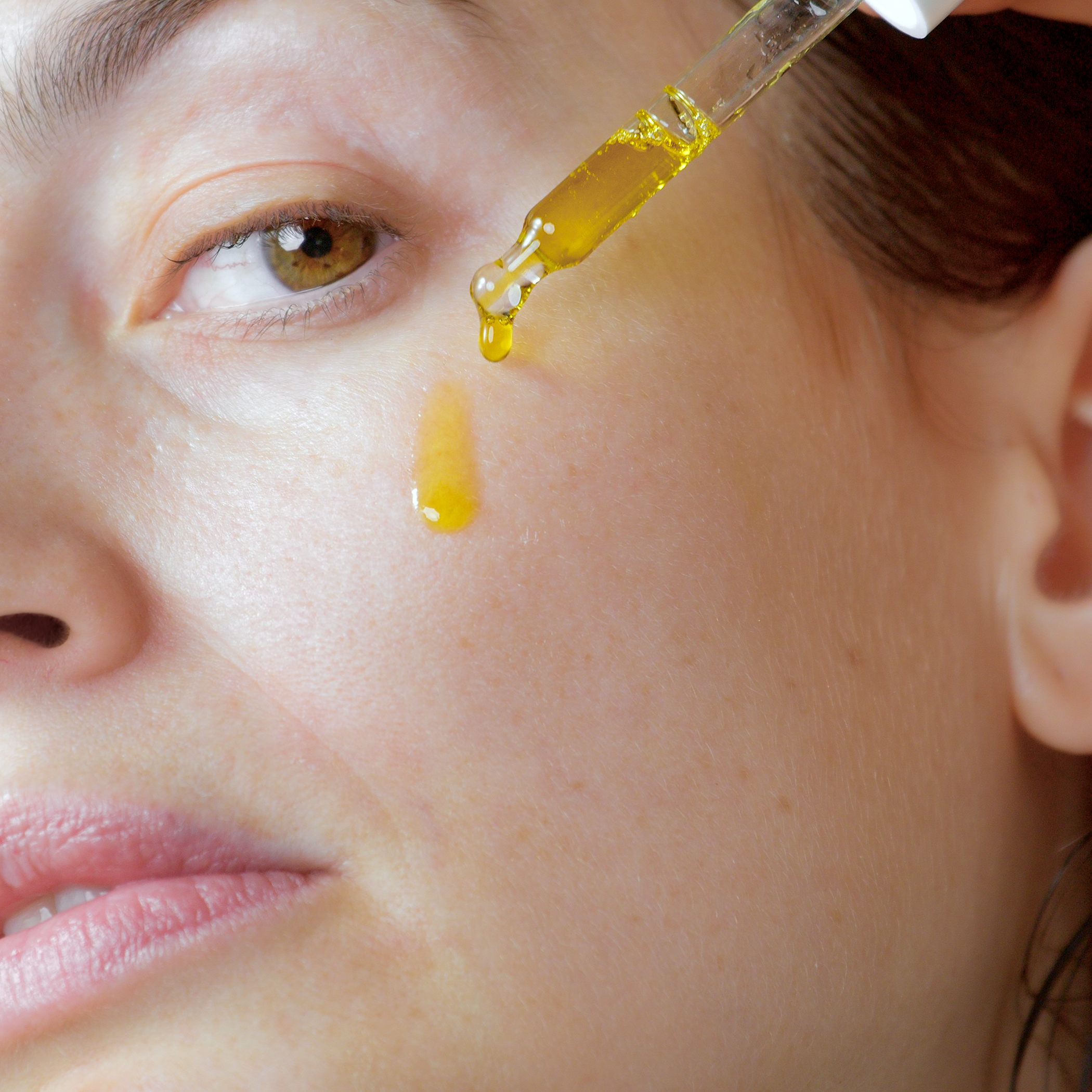
Lift Serum
Coming soon · Plant-based firming serum with bakuchiol that smooths fine lines and restores elasticity.
999 krClearance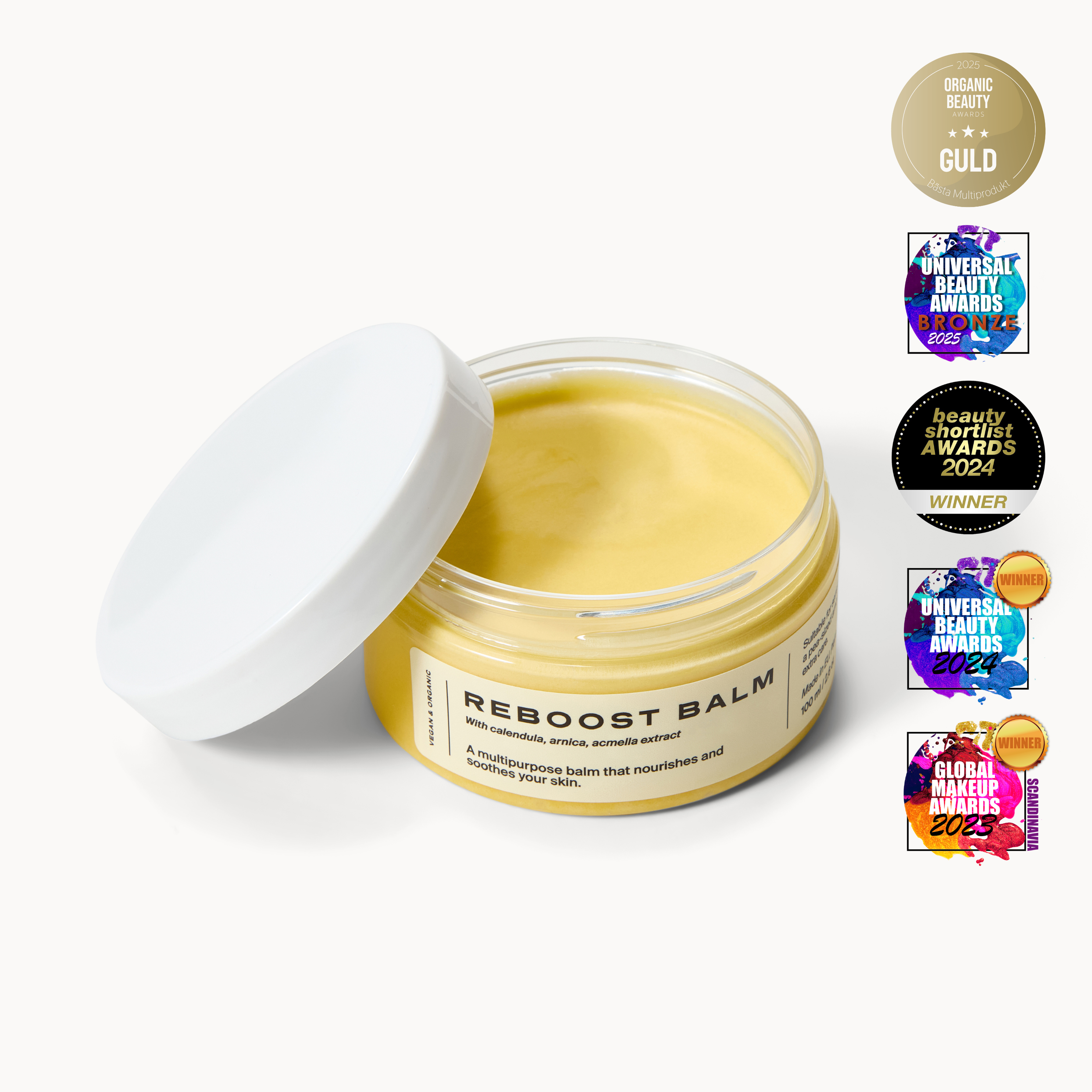
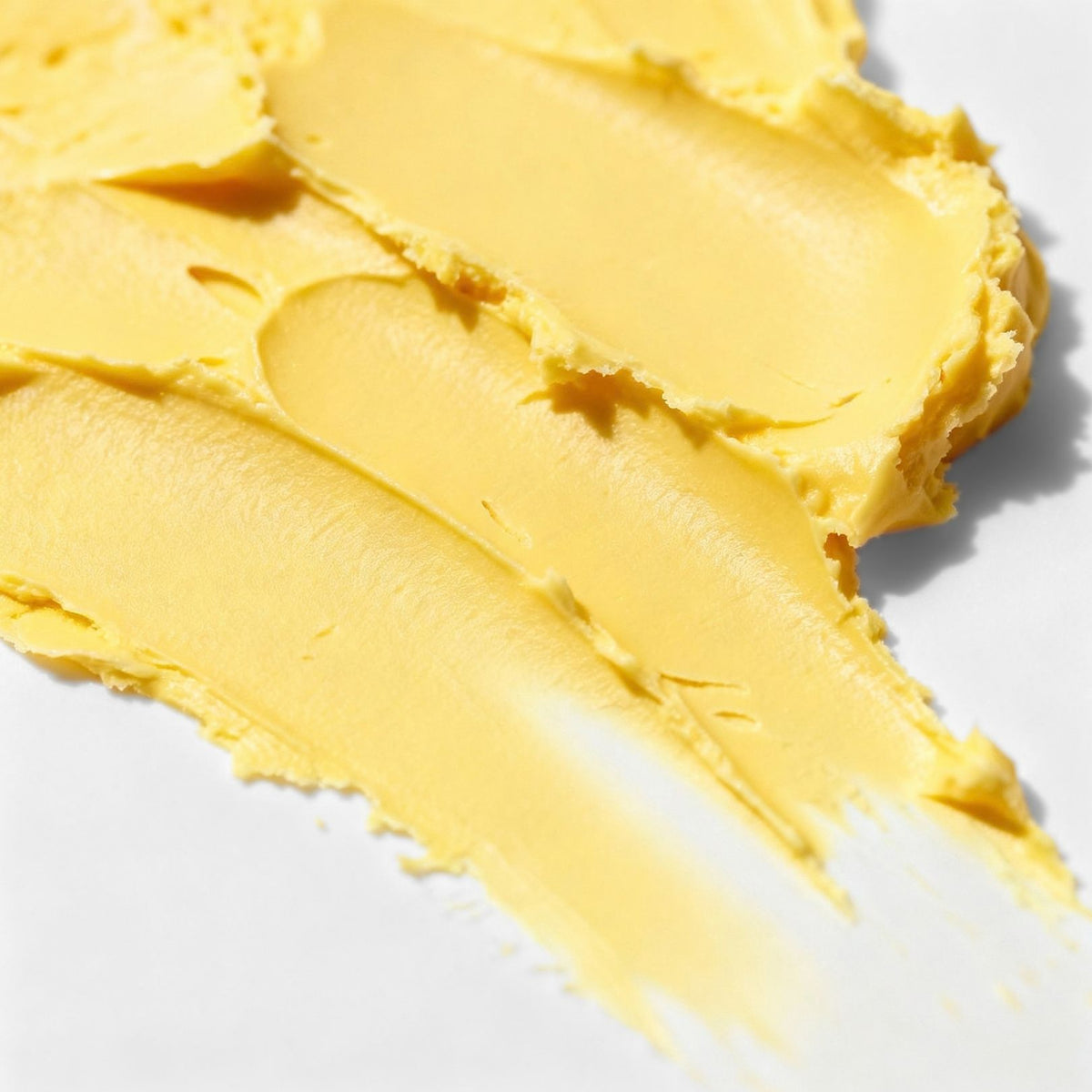
Reboost Balm - 100ml
Multi-purpose rescue balm for dry, stressed skin, lips and cuticles.
5 for 899 krOut of stock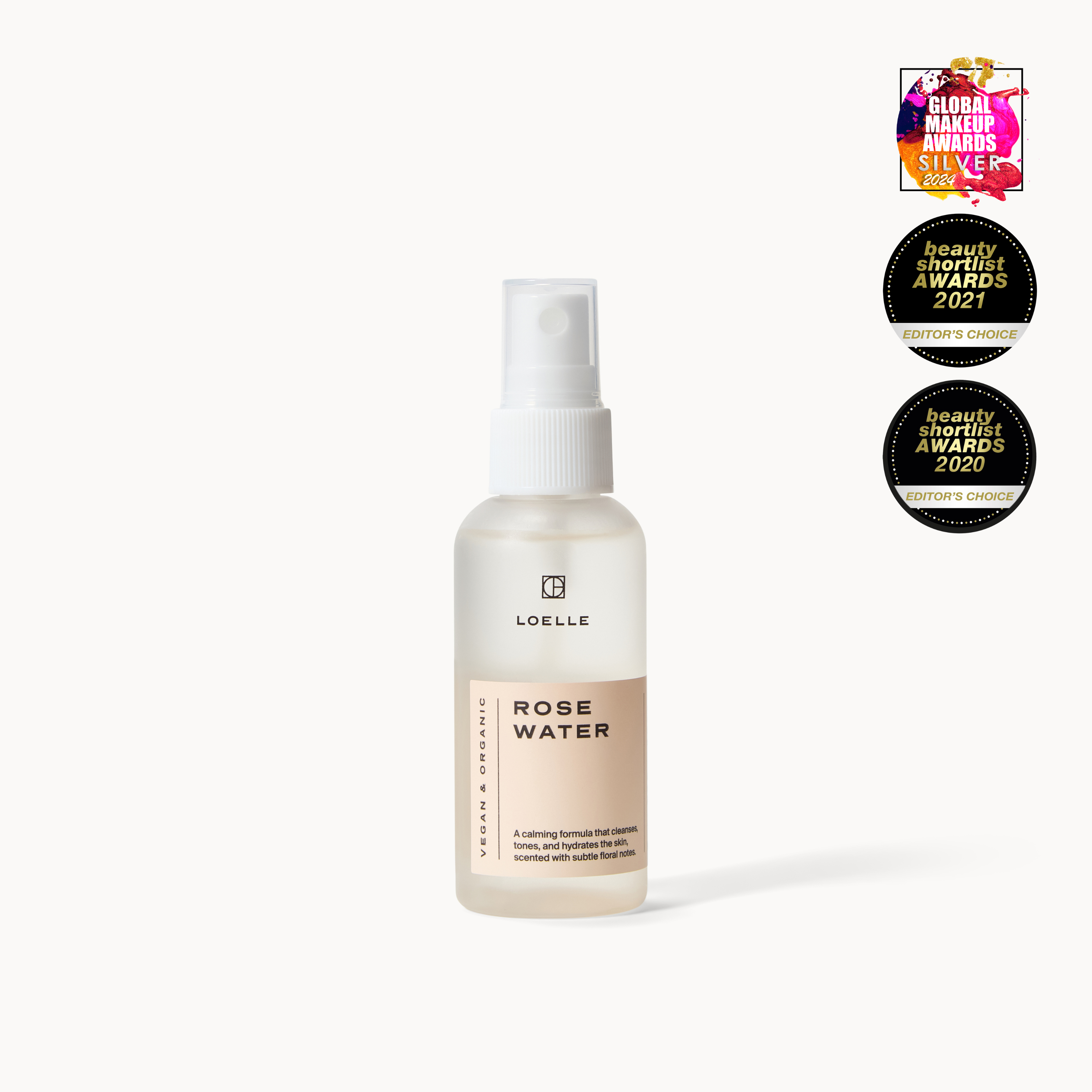
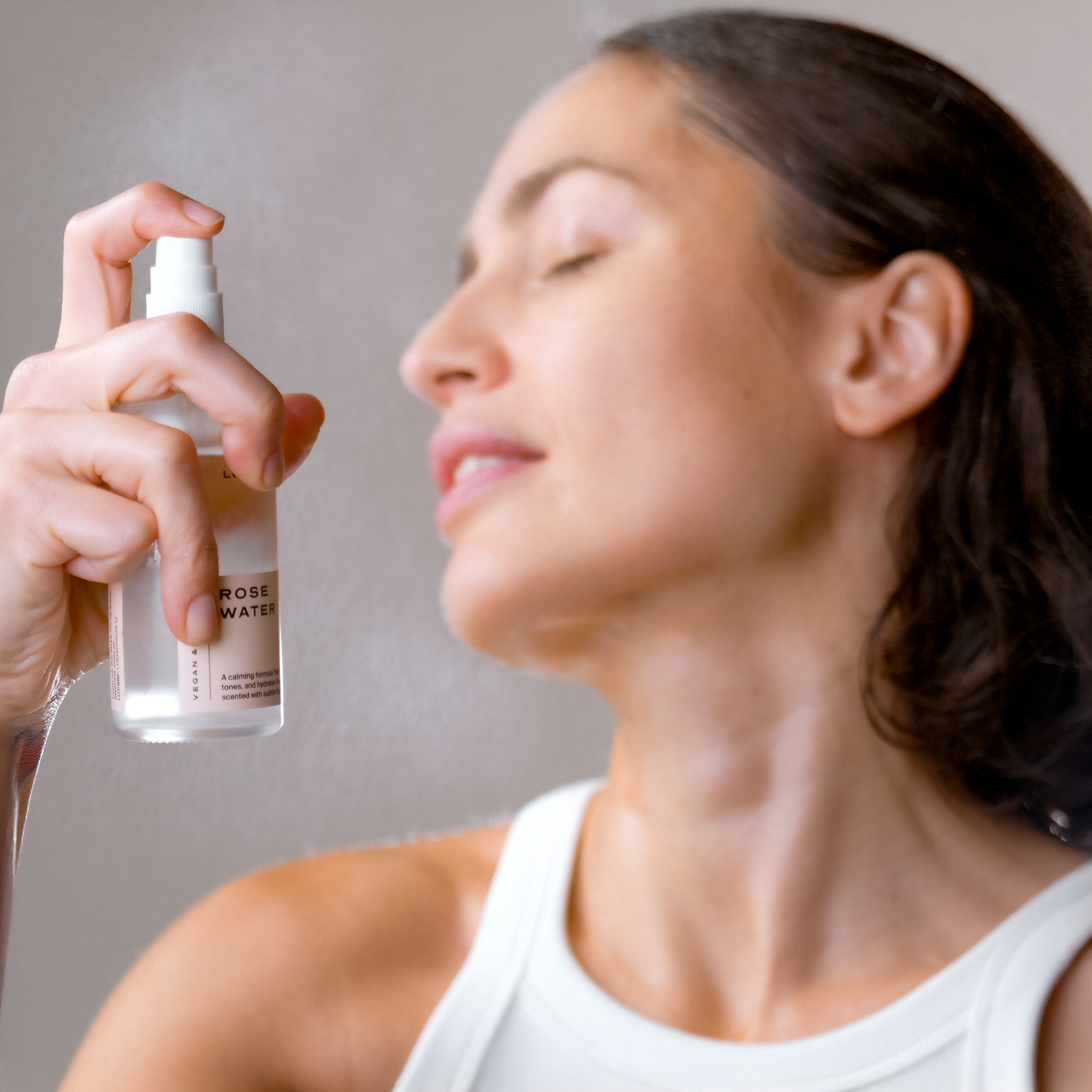
Rose Water - Traveller - 50ml
Travel-size rose mist that tones, hydrates and refreshes skin on the go.
169 kr
-
A Tree Nobody Can Rush
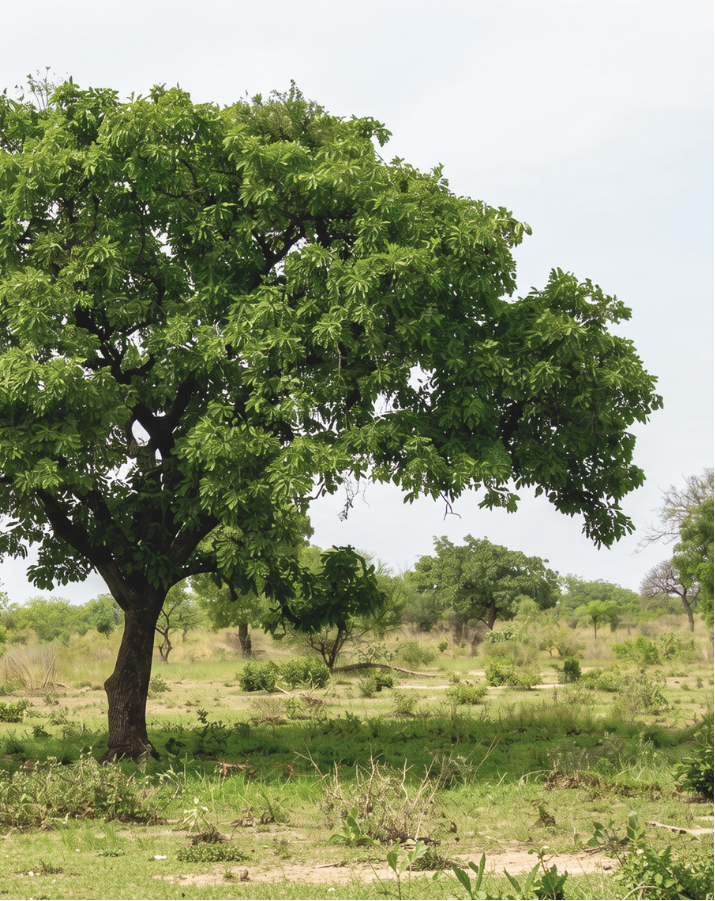
The shea tree grows wild on the savannah of northern Ghana and takes about twenty years to carry its first harvest. Every nut is picked by hand – by the women of the cooperative we have bought from for eight years.
The women’s cooperative
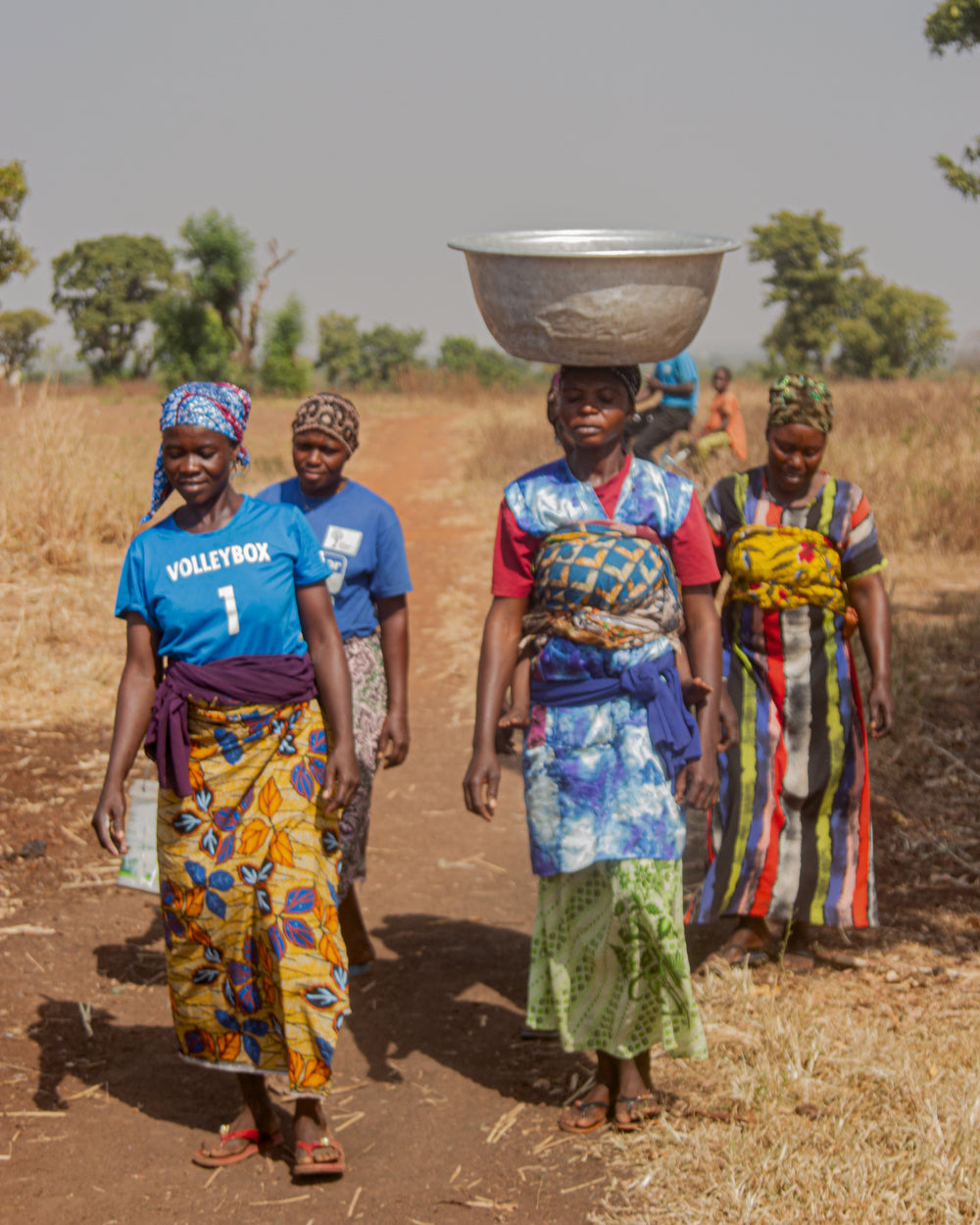
We buy our shea from one women’s cooperative outside Tamale in northern Ghana – around eighty women – and we have done so for eight years. Not through traders or middlemen, and not a different cooperative every season. The same women, year after year.
In West Africa shea is called women’s gold. Picking and processing has been women’s work and women’s income for generations, passed from mother to daughter – in Ghana more than 470,000 women earn part of their living from it. The work is hard: nuts dried in the sun, cracked open, roasted over fire, ground, and churned by hand for hours until the fat separates out.
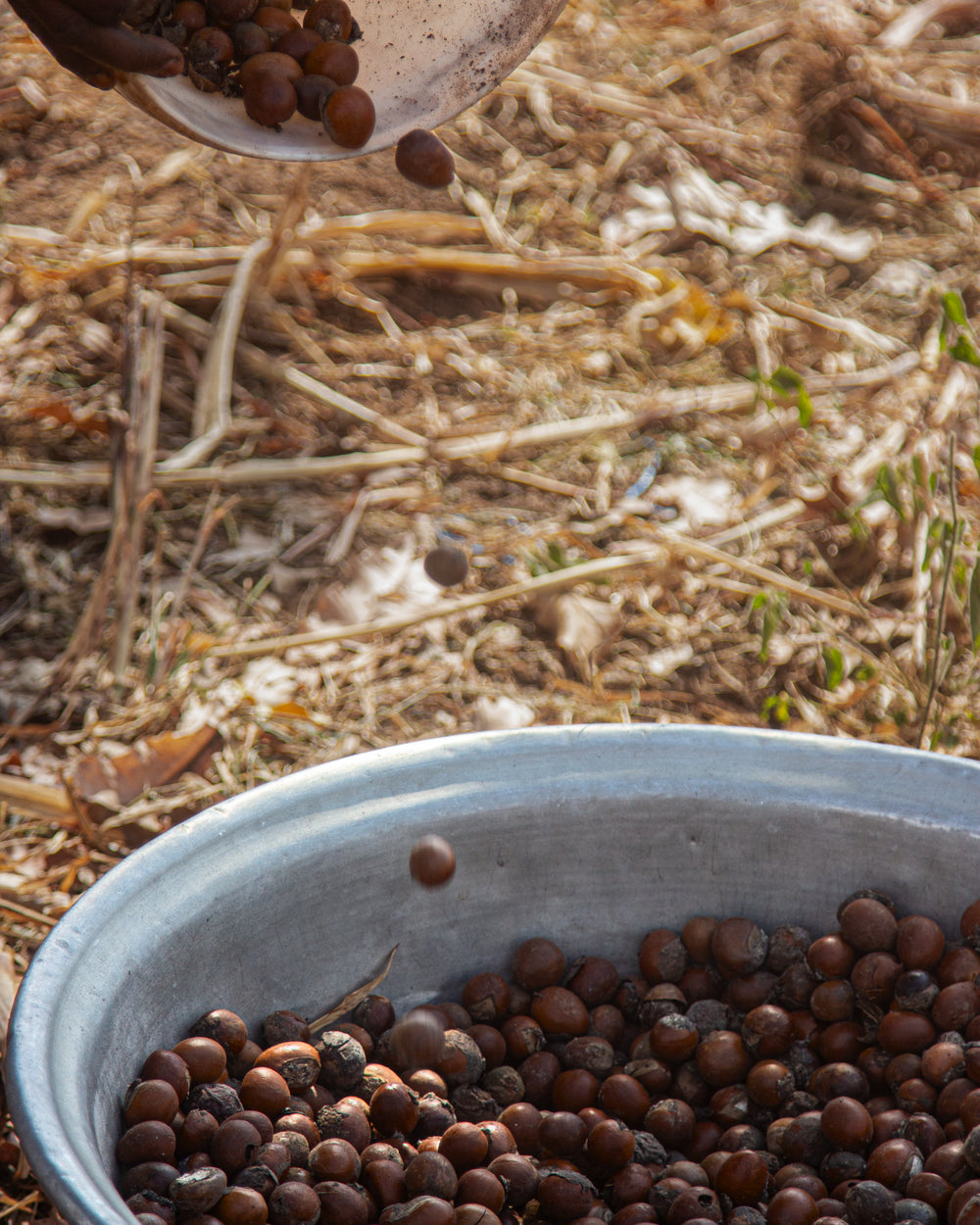
The fruit falls on its own
Shea flowers in the dry season, and the fruit ripens as the rains arrive. Nobody climbs the tree and nobody shakes it. The fruit falls when it is ready, and the picking happens on the ground at first light – before the heat, and before the animals get there.
Inside the thin, sweet pulp sits a single large nut. That nut is what becomes butter, and everything between the ground and the jar is done by hand.
From nut to butter, step by step
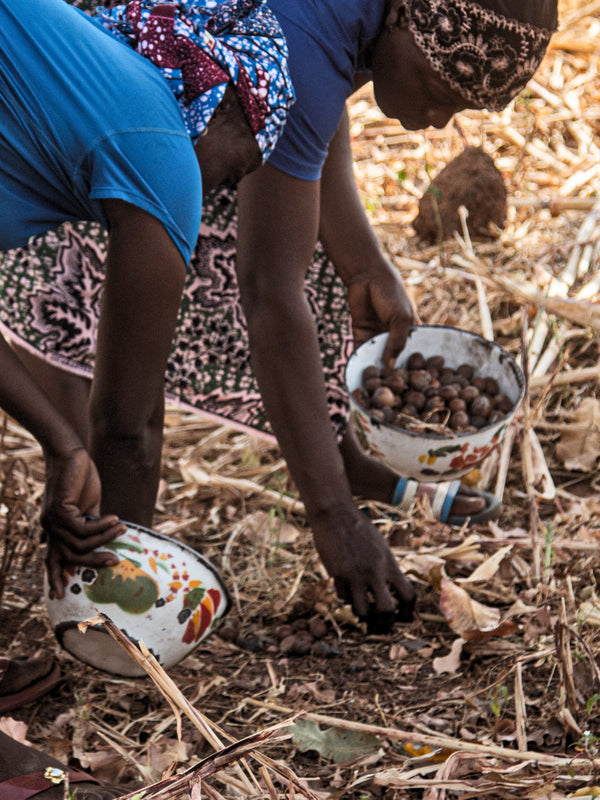
Picking
The nuts are picked by hand.
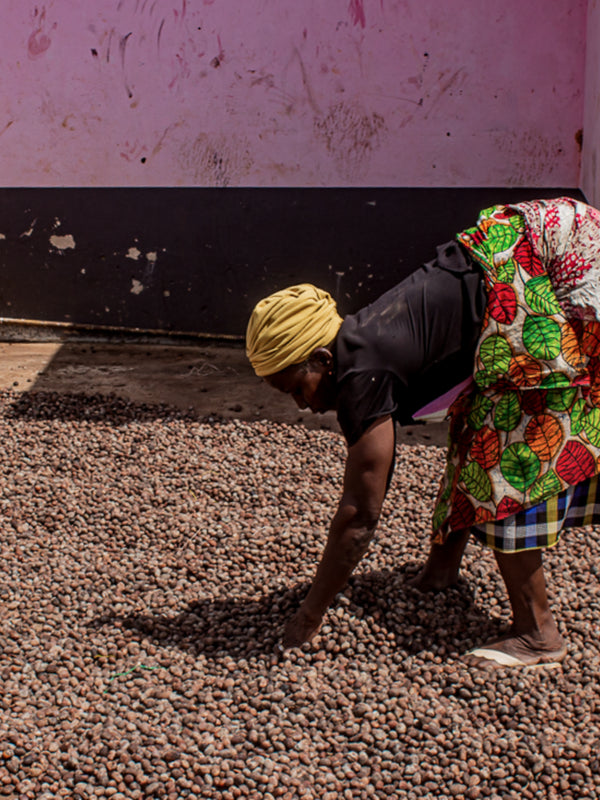
Drying
The nuts are spread out to dry in the sun.
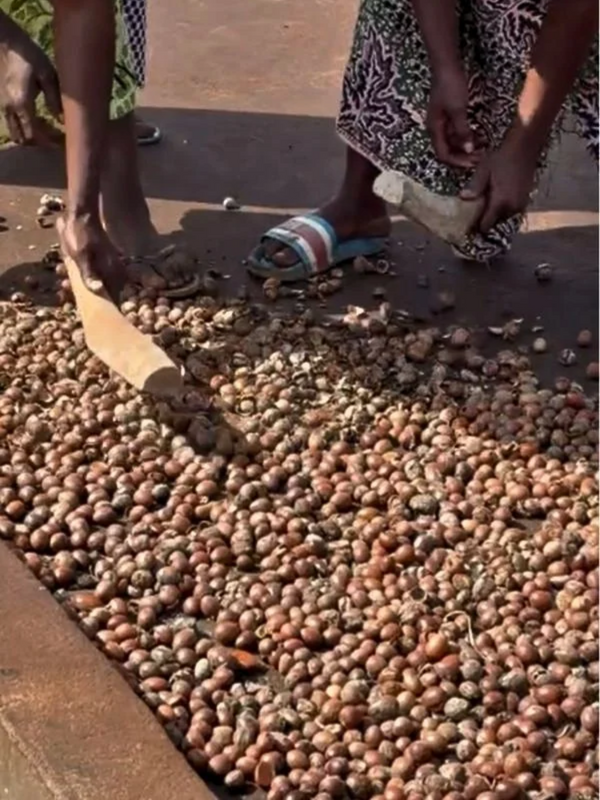
Cracking
The shells are cracked by hand with a wooden stick.

Sorting
The nuts are poured between large pans to separate the shell pieces from the kernels.

Crushing
The kernels are crushed into a coarse mass.
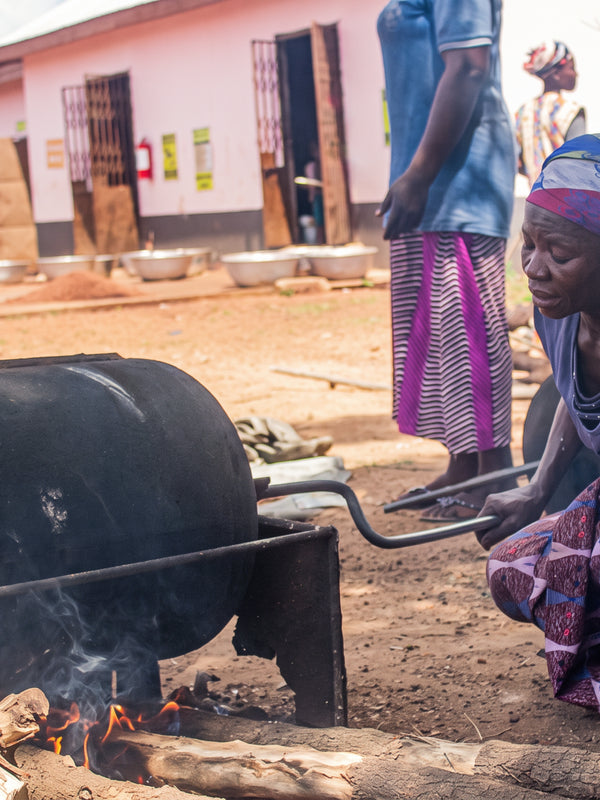
Roasting
The crushed mass is roasted.
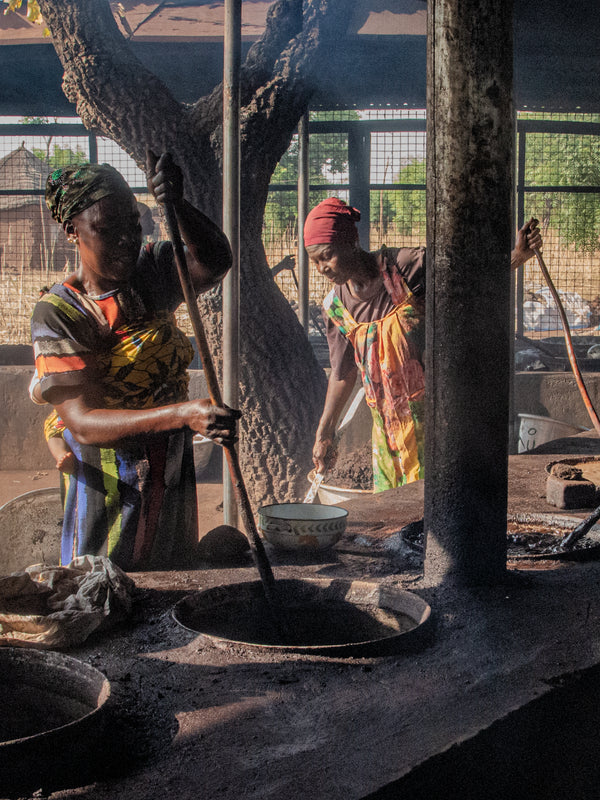
Kneading
The mass is kneaded until it becomes a soft, brown butter.
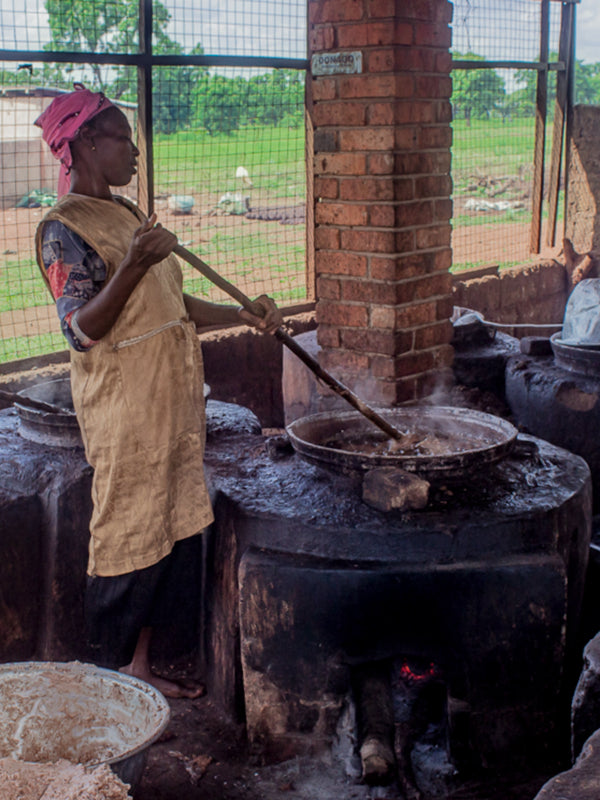
Boiling
The butter is boiled until the oil settles on top.
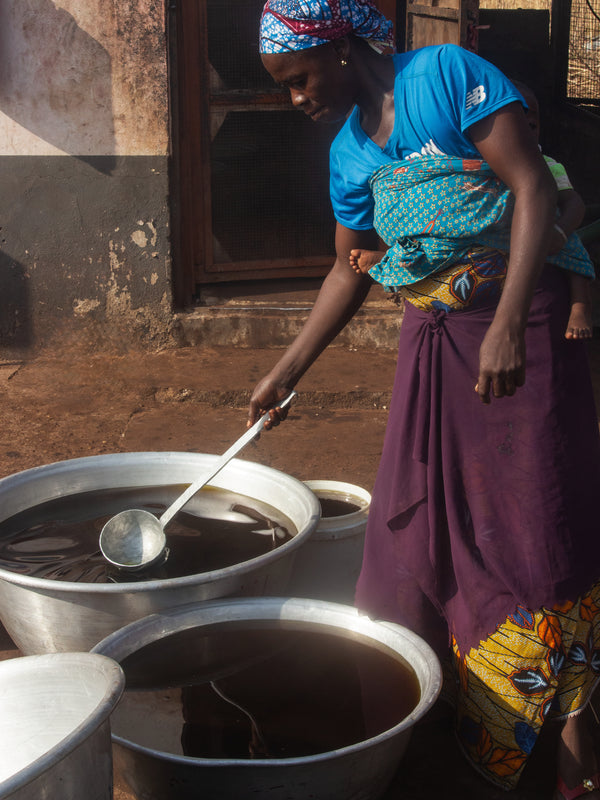
Skimming
The oil is gently skimmed off the top.
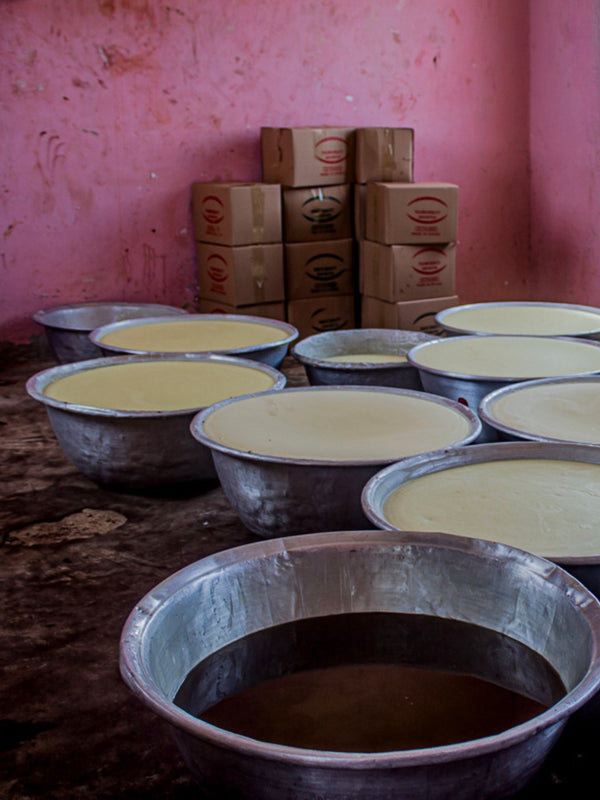
Setting
The oil is left to cool and set into solid butter. That is the shea butter.
A tree that was never tamed
The shea tree, Vitellaria paradoxa, grows wild across the savannah belt of West Africa – from Senegal in the west to Uganda in the east, with northern Ghana in the middle of it. It is the only species in its genus, and it has never been domesticated the way the almond or the olive has.
The reason is patience. A shea tree carries its first fruit at fifteen to twenty years old and reaches full yield somewhere between twenty and thirty. After that it keeps producing for up to two hundred years. You can put a shea tree in the ground, but you cannot farm a harvest out of it: nobody plants an orchard that only begins to pay for itself a generation later. That is why almost all of the world’s shea still comes from trees that seeded themselves – trees the farmers leave standing and cultivate around.
What one tree gives
First fruit
How long a shea tree grows before it carries anything at all.
Full yield
The age at which a tree reaches its full harvest.
Still giving
A mature shea tree can keep producing nuts for up to two centuries.
Seed per kilo
One kilo of fruit leaves roughly 400 grams of dried seed behind.
Same cooperative
How long we have bought our shea from the same women in northern Ghana.
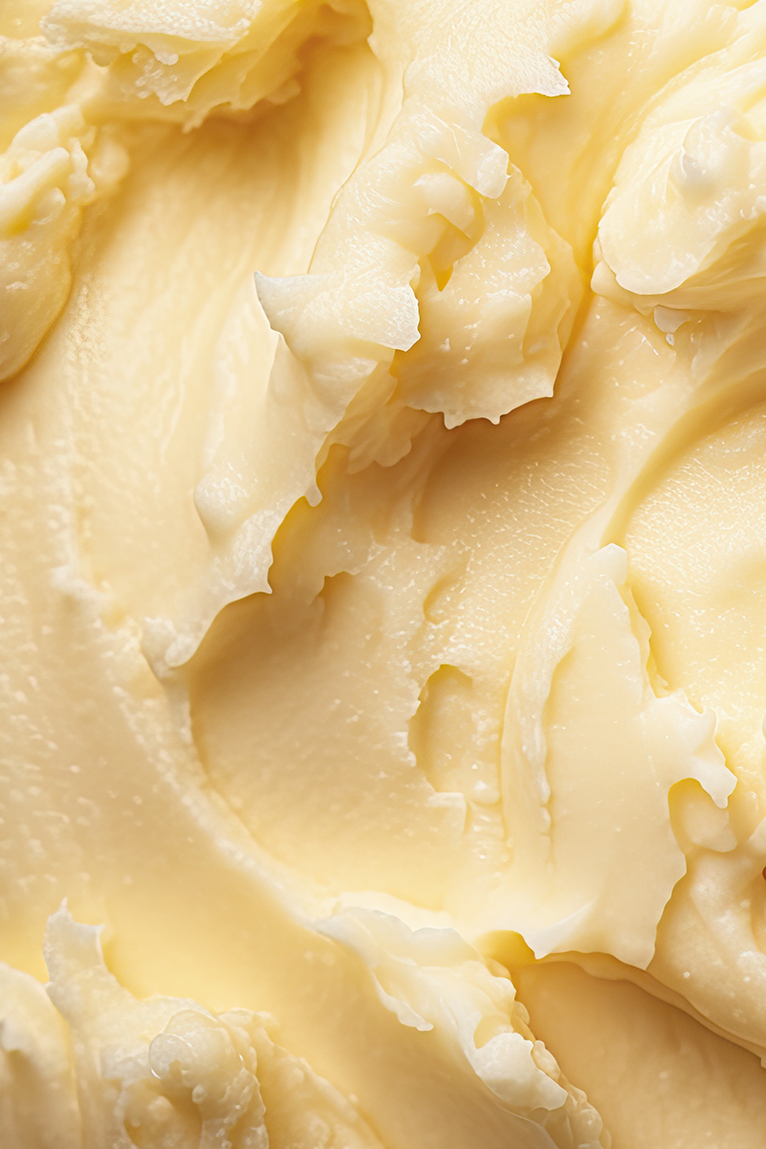
Unrefined, and it shows
Shea butter can be pressed and then bleached and deodorised until it is bone white and smells of nothing at all. Ours is not. Unrefined shea keeps its own colour – ivory to pale yellow – and its own faint, nutty scent, along with the unusually large unsaponifiable fraction that makes shea different from most plant fats. That fraction is where its vitamins and plant sterols sit.
It also means every batch looks slightly different, because every harvest is slightly different. That is not a flaw in the process. That is the process.
A tree that needs twenty years for its first harvest is a tree you treat with respect.– Loelle
Refined or raw
| Aspect | Industrial shea | Our shea |
|---|---|---|
| Source | Mixed lots, often from several countries | Wild trees in northern Ghana |
| Processing | Pressed, bleached and deodorised | Cracked, roasted and churned by hand |
| Colour and scent | White and odourless | Ivory, with a faint nutty scent |
| Unsaponifiables | Largely stripped out | Left intact |
| Who gets paid | Hard to trace | The same women’s cooperative, eight years running |
Our four rules
Shea cannot be rushed into a plantation. We buy from trees that seeded themselves.
No bleaching, no deodorising. The butter keeps its colour, its scent and its nutrients.
Eight years with the same cooperative, so the money reaches the women who do the work.
Industry often splits shea into a hard and a soft fraction and uses only one of them. We use the butter as it arrives from the cooperative.
Where you will find it
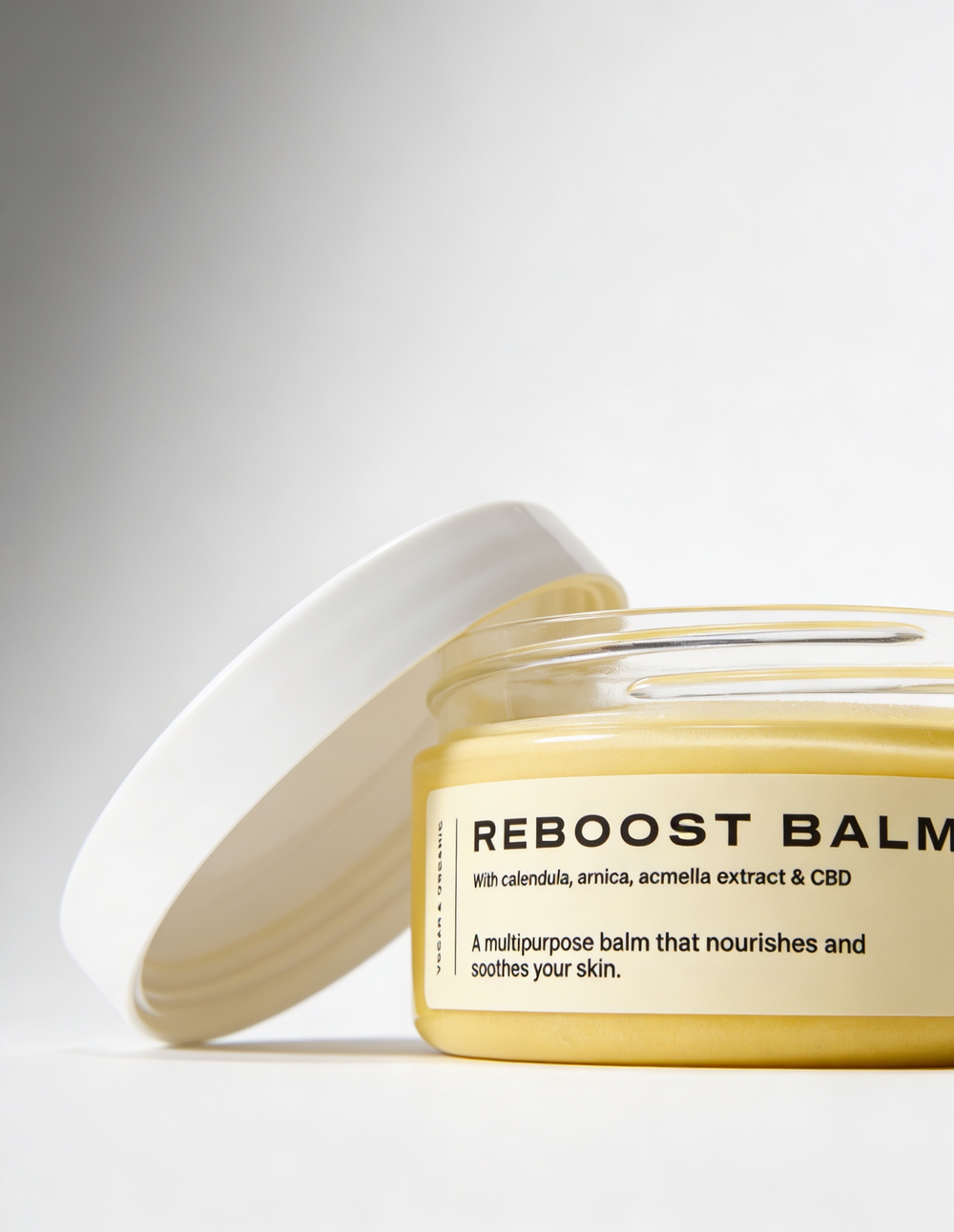
Shea butter is the base of Reboost Balm, where it sits alongside argan oil, calendula and acmella in a water-free formula. Water-free means no preservatives are needed and nothing dilutes the fats – what you put on your skin is almost entirely the plant itself.
It is also in the whole African Black Soap family – Bar, Liquid and Foam – where it keeps a deep cleanse from leaving the skin stripped and tight.
Meet Reboost Balm
Unrefined shea butter with argan oil and calendula – water-free, for dry and stressed skin, lips and cuticles.
Shop Reboost BalmBestsellers
Our most-loved formulas, chosen again and again.

The Complete Routine
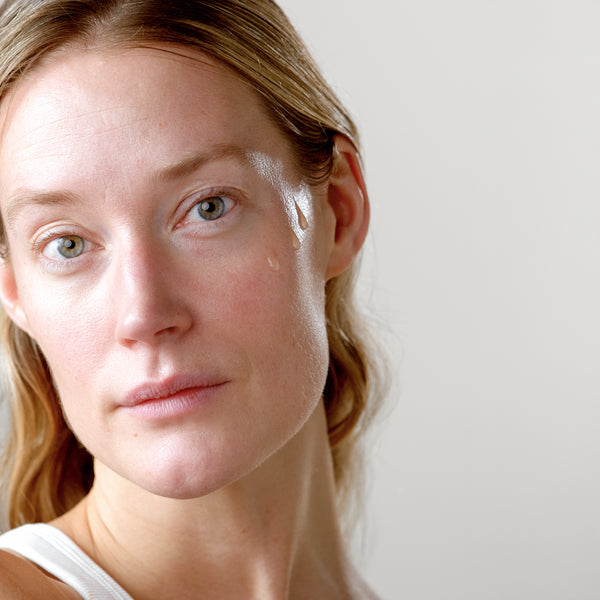
Three-step face routine: Renewal Serum, Lift Serum and Reboost Balm 50 ml.
999 kr
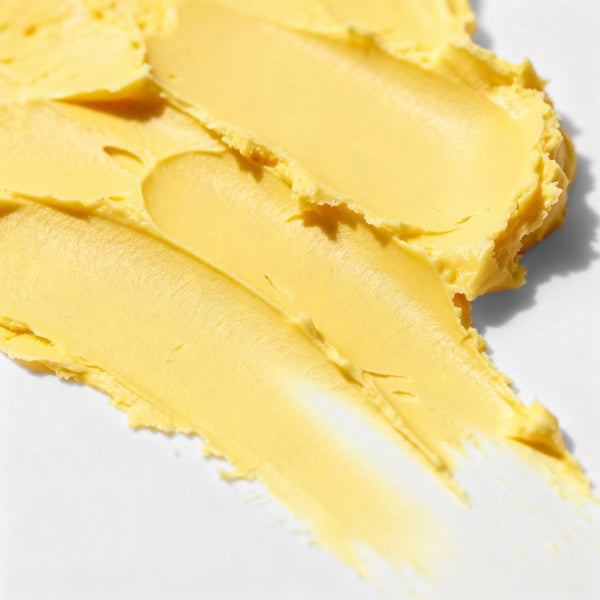
Reboost Balm - 100ml
Multi-purpose rescue balm for dry, stressed skin, lips and cuticles.
5 for 899 kr
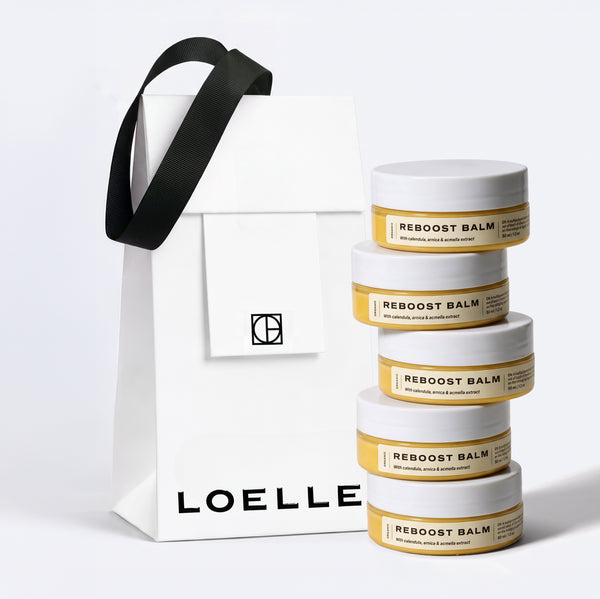
Reboost Balm - 50ml
Multi-purpose rescue balm for dry, stressed skin, lips and cuticles.
499 kr
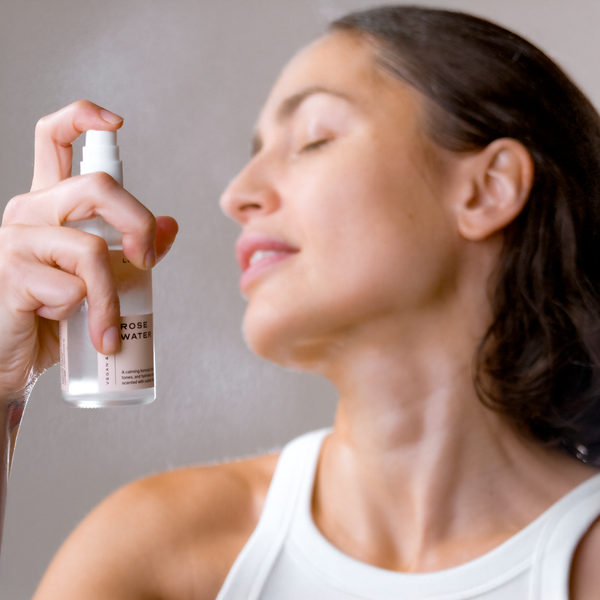
Rose Water - 100ml
Toning, hydrating rose mist that leaves skin fresh with a soft floral glow.
269 kr
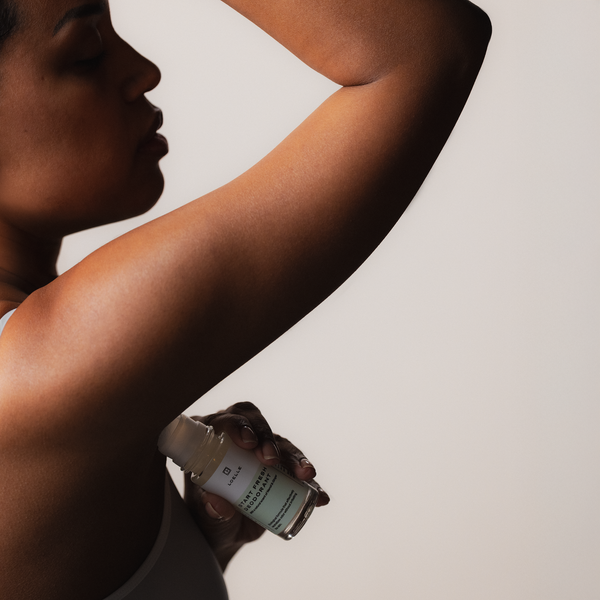
Start Fresh Deodorant
Coming soon · Aluminum-free deodorant with birch sap and aloe vera that works with your body.
Sold out
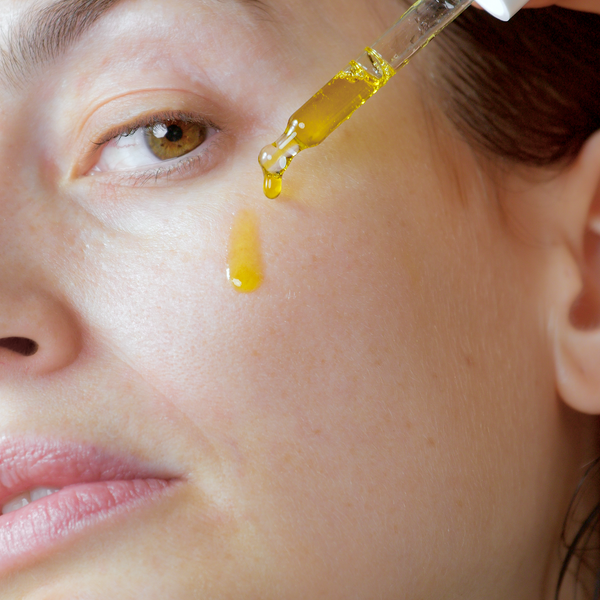
Lift Serum
Coming soon · Plant-based firming serum with bakuchiol that smooths fine lines and restores elasticity.
Sold out
Renewal Serum
Coming soon · Birch sap, lactic acid and niacinamide serum that refines texture and evens tone.
Sold out
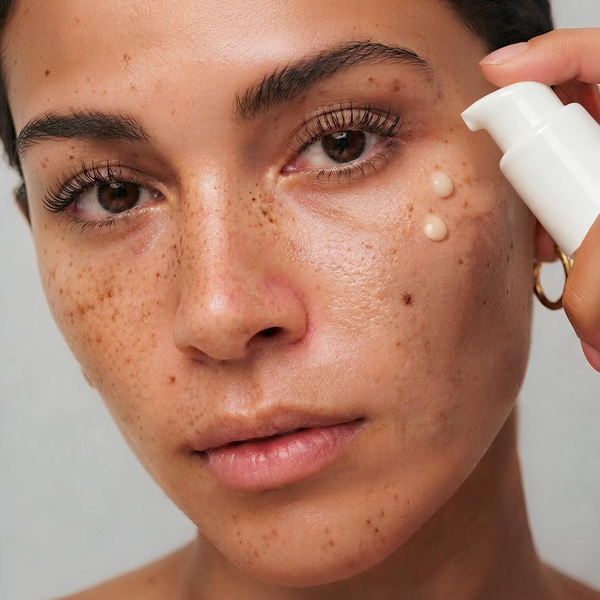
Recovery Serum
Barrier-repair serum with ceramides, hyaluronic acid and vitamin C that restores balance.
Sold out