
-
Out of stock
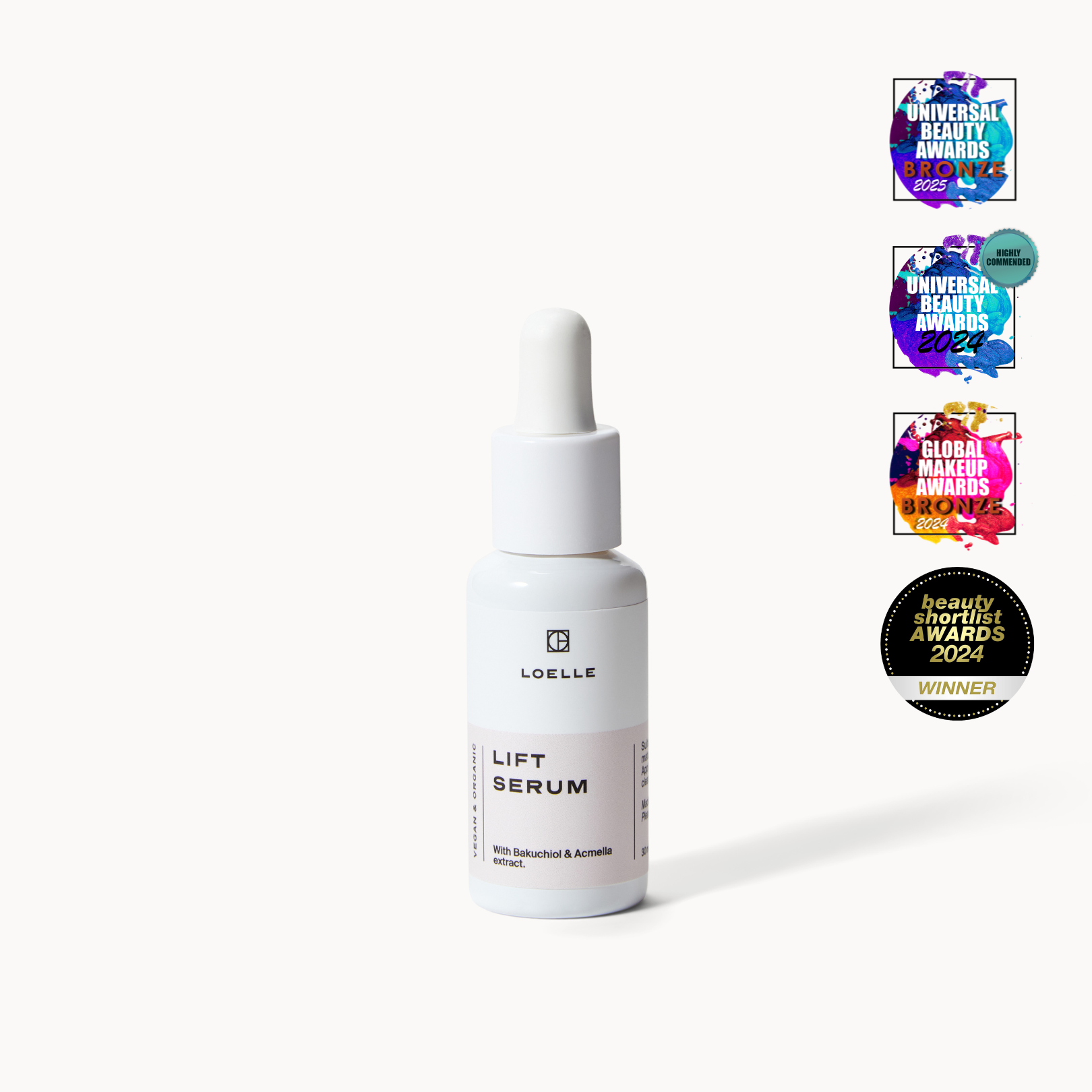
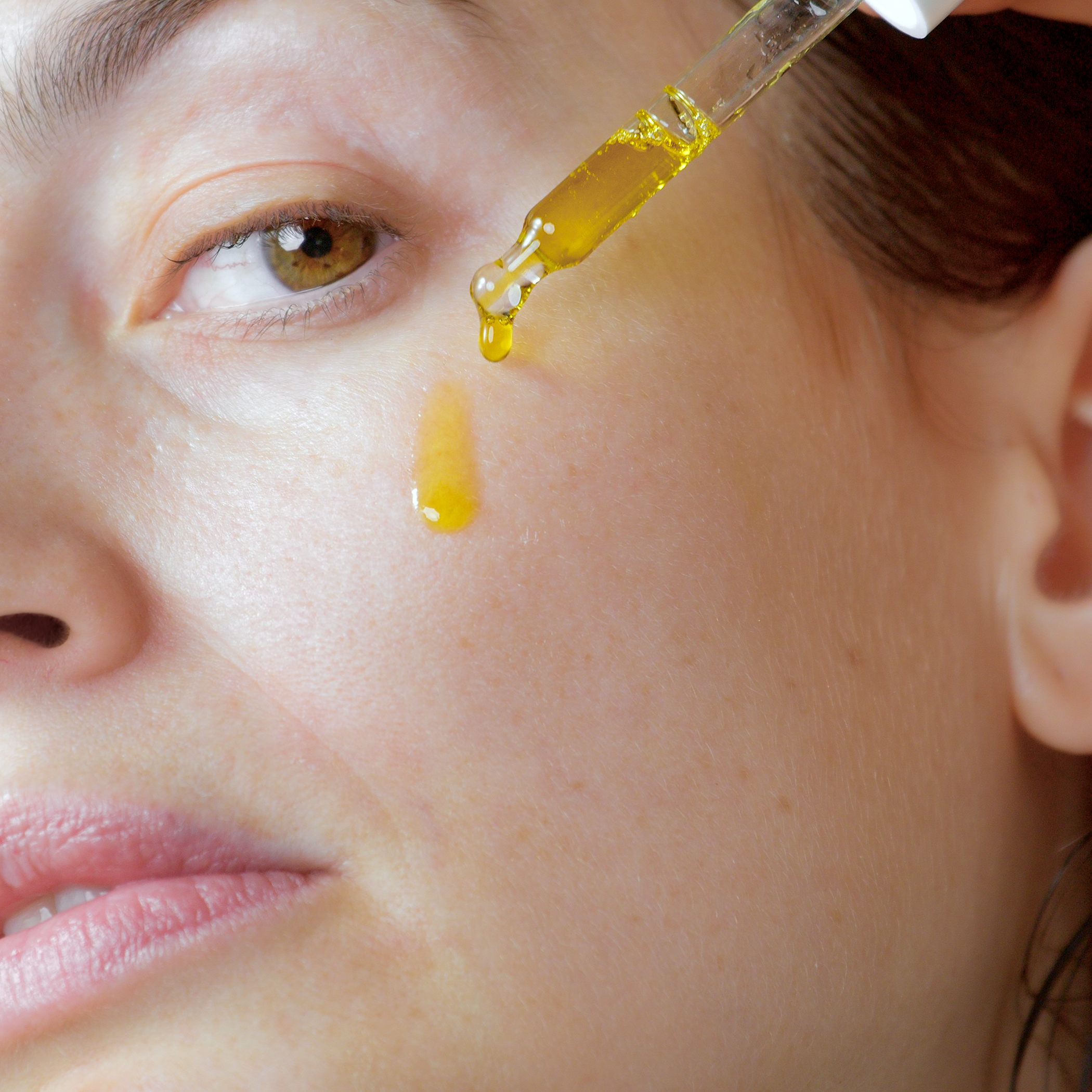
Lift Serum
Plant-based firming serum with Bakuchiol that smooths fine lines and restores elasticity.
999 krClearance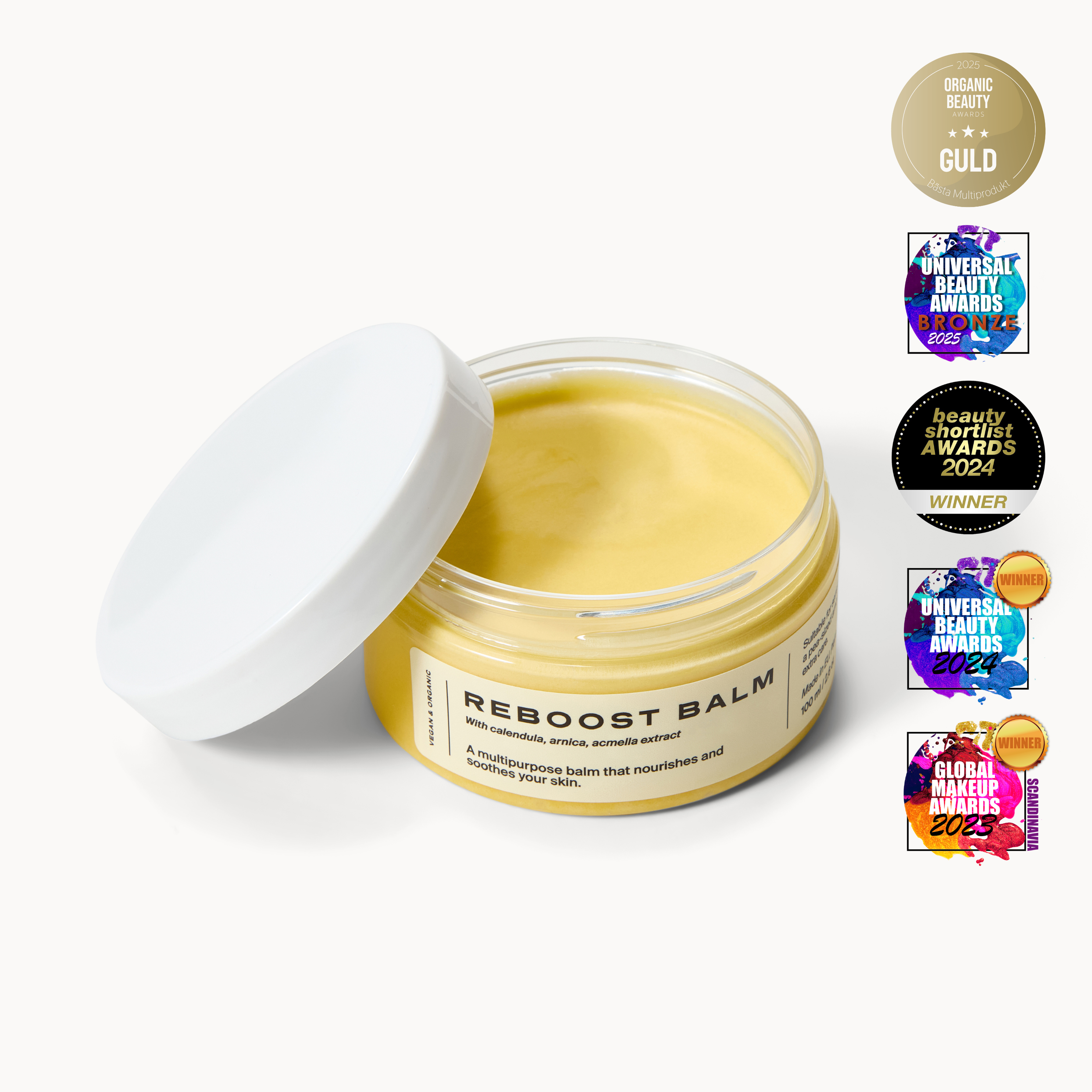
Reboost Balm - 100ml
Multi-purpose rescue balm for dry, stressed skin, lips and cuticles.
5 for 899 krOut of stock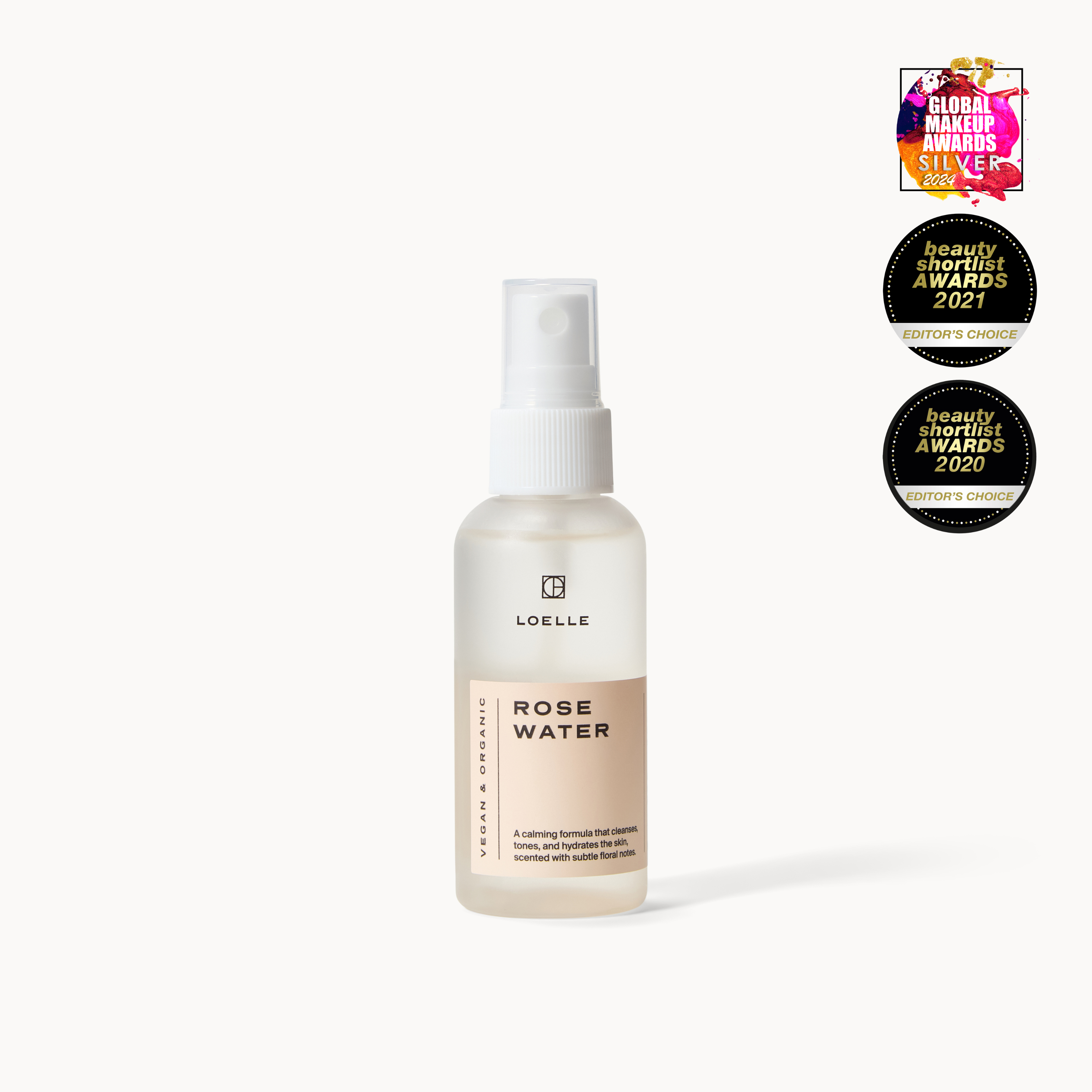
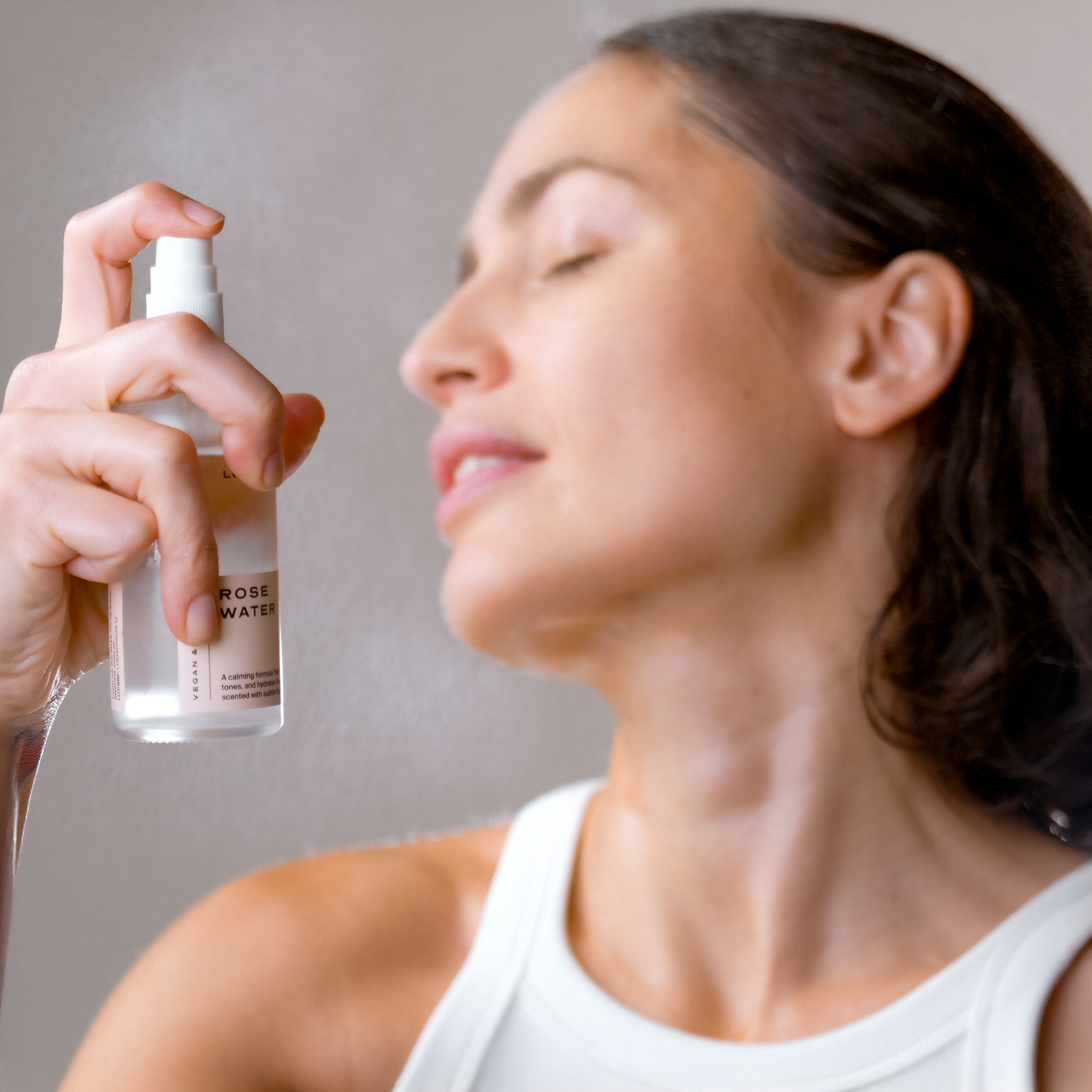
Rose Water - Traveller - 50ml
Travel-size rose mist that tones, hydrates and refreshes skin on the go.
169 kr
-
Detox: What Your Skin Really Needs
Detox is one of the biggest words in wellness. Here’s what your body already does on its own – and what cleansing, clay and heat can really do for your skin.

Your body is the detox system
Juice cleanses, detox teas and fasting programmes promise to flush out toxins. Does that hold up? When researchers reviewed the evidence behind commercial detox diets, they found no clear support that they remove toxins – and most programmes don’t even say which toxins they mean. That’s because your body already has its own system for the job: the liver, kidneys, gut and lungs work around the clock.
But that doesn’t mean a break from eating does nothing. Fasting simply works differently from what the detox promise suggests. After around 12 hours or more without food, the body starts switching from sugar to stored fat for fuel and produces ketones – what researchers call a metabolic switch. In studies of intermittent fasting and time-restricted eating, for example eating within an 8–10 hour window, many participants have seen improvements in blood sugar, insulin sensitivity and blood pressure. Fasting also activates autophagy, the cells’ own clean-up and recycling process. This is well documented in animals, while research in humans is still at an early stage.
A large review published in the BMJ in 2025 found that intermittent fasting gives roughly the same results for weight and markers like blood sugar, blood fats and blood pressure as an ordinary calorie-reduced diet. Not a miracle cure, then – but a perfectly reasonable option if it suits you and your everyday life. Keep longer fasts moderate, and talk to your doctor first if you are pregnant, have diabetes or have a history of eating disorders.
So you don’t need to “cleanse” your body – it does that by itself. But you can support it: with good food, water, sleep and, if it feels right for you, shorter periods without food.

A clean start
For your skin, detox is really about cleansing. Every day it collects sebum, sweat, dead skin cells, sunscreen and particles from the air – and a gentle cleanse removes them without stripping the barrier. In the Moroccan hammam, this has been done for centuries with hammam black soap and rhassoul clay.
Clay masks do something real, but temporary: in a 2025 study, red, green and black clay masks clearly reduced surface oil right after use, but sebum levels were back within two hours, and there was no firming effect. So think of green clay or rhassoul clay as a weekly deep clean – not a permanent change.
Heat and the sauna
In the Nordic countries, the sauna has been part of life for generations. Research suggests it may be good for the skin too: in a controlled study, people who took regular saunas had a more stable skin barrier and a better ability to hold water in the outer layer of the skin, and their skin recovered its hydration and pH faster after a session.
Heat and cleansing can leave skin feeling tight, so finish with a cool floral water and a few drops of oil. A black soap wash before the sauna is a classic.
Detox trends, decoded
| Aspect | The promise | What we know |
|---|---|---|
| Juice cleanses | Flush out toxins | No rigorous evidence – your liver and kidneys already do this job |
| Detox teas | Clear, glowing skin | No compelling evidence that detox products remove toxins |
| Clay masks | Pull toxins out of the skin | Absorb surface oil for a few hours – a real but temporary deep clean |
| Regular sauna | Sweat it all out | Linked with a more stable skin barrier and better hydration |
Your body already knows how to detox. Your skin just needs a clean start.– Loelle
Detox, the honest way
Remove the day without stripping the barrier.
Use clay as a deep clean, not a daily habit.
Food, water and sleep help the organs that really do the detoxing.
Follow clay, soap or sauna with a floral water and an oil.
Sources
- Klein & Kiat (2014). Detox diets for toxin elimination and weight management: a critical review of the evidence. J Hum Nutr Diet
- Clay mask study (2025). Cosmetics 12, 219 – summary
- Kowatzki et al. (2008). Effect of regular sauna on epidermal barrier function and stratum corneum water-holding capacity. Dermatology
- de Cabo & Mattson (2019). Effects of intermittent fasting on health, aging, and disease. N Engl J Med
- Bagherniya et al. (2018). The effect of fasting or calorie restriction on autophagy induction: a review of the literature. Ageing Res Rev
- Semnani-Azad et al. (2025). Intermittent fasting strategies and their effects on body weight and other cardiometabolic risk factors: systematic review and network meta-analysis. BMJ – summary
Start clean
Moroccan clay and traditional black soap – made by women’s cooperatives the way they have been for generations.
Shop cleansersBestsellers
Our most-loved formulas, chosen again and again.

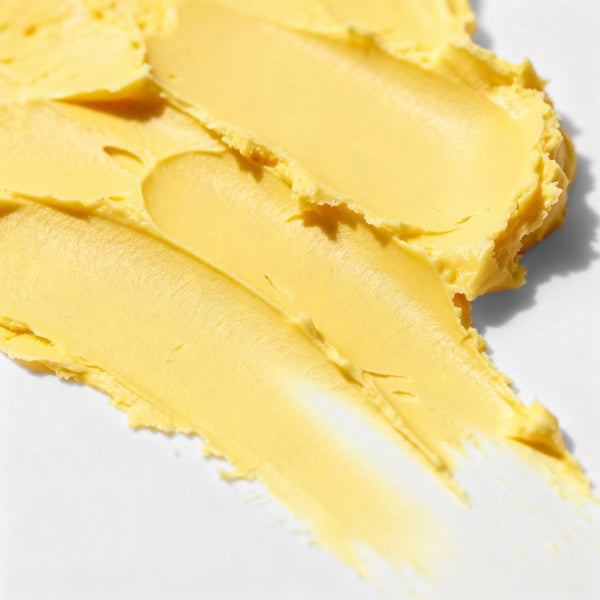
Reboost Balm - 100ml
Multi-purpose rescue balm for dry, stressed skin, lips and cuticles.
5 for 899 kr
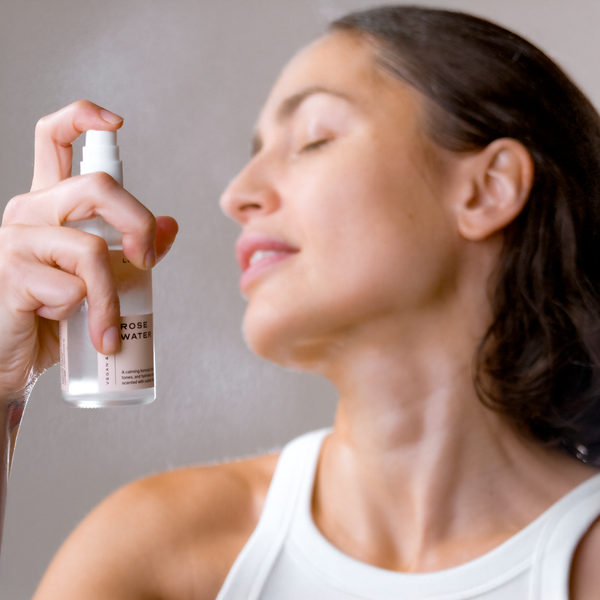
Rose Water - 100ml
Toning, hydrating rose mist that leaves skin fresh with a soft floral glow.
269 kr
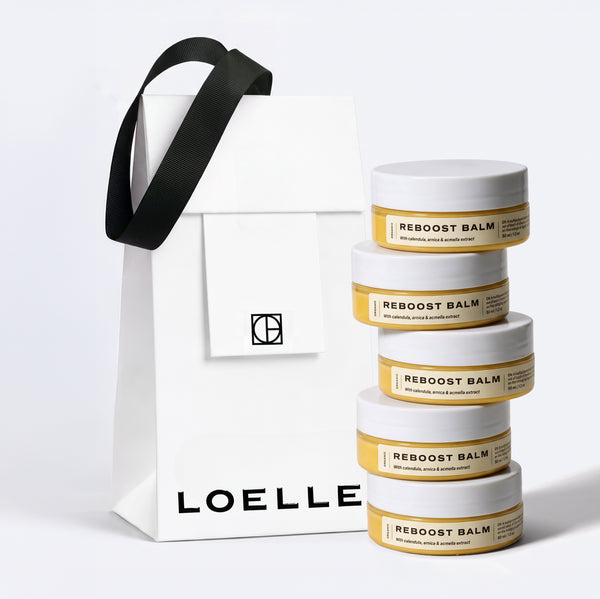
Reboost Balm - 50ml
Multi-purpose rescue balm for dry, stressed skin, lips and cuticles.
499 kr
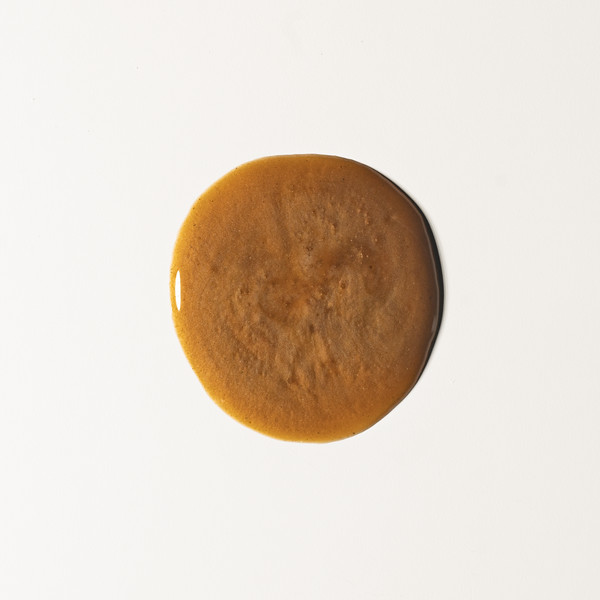
African Black Soap Liquid
Deep-cleansing liquid soap with plantain ash, neem and shea butter.
Sold out
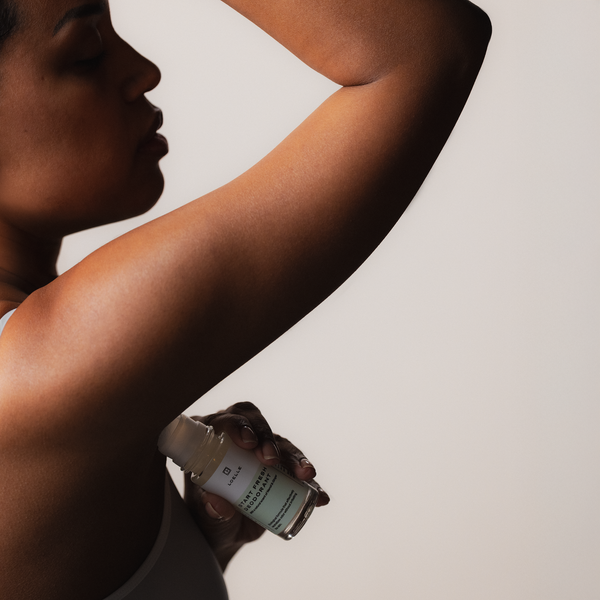
Start Fresh Deodorant
Aluminum-free deodorant with birch sap and aloe vera that works with your body.
Sold out
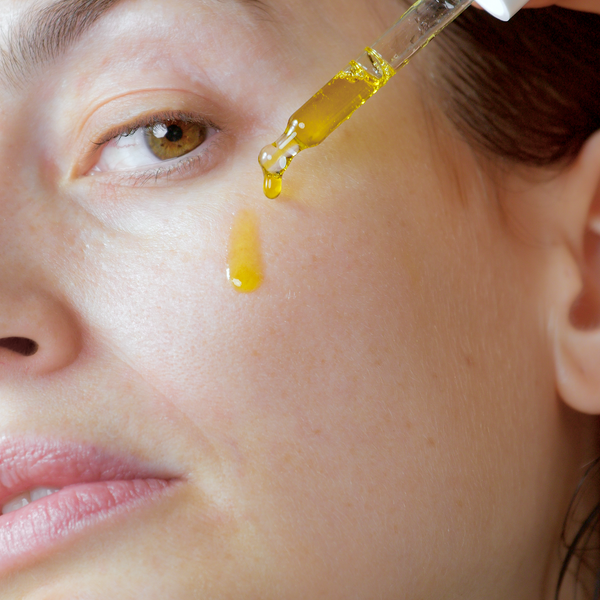
Lift Serum
Plant-based firming serum with Bakuchiol that smooths fine lines and restores elasticity.
Sold out
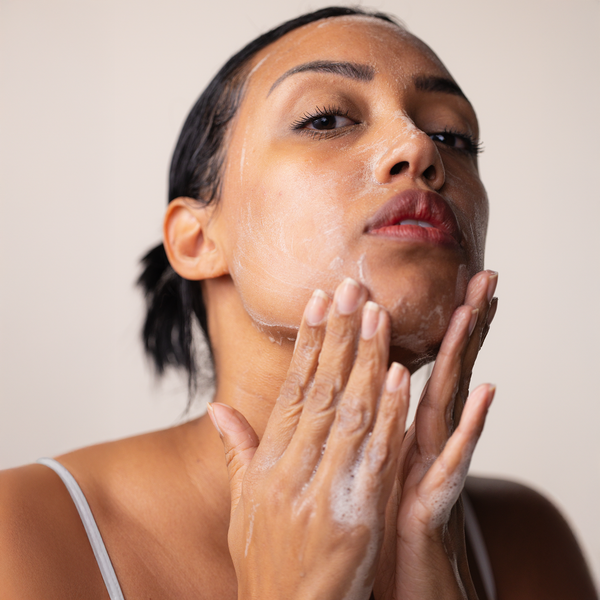
African Black Soap Bar
Traditional African black soap that gently deep-cleanses and balances face and body.
Sold out
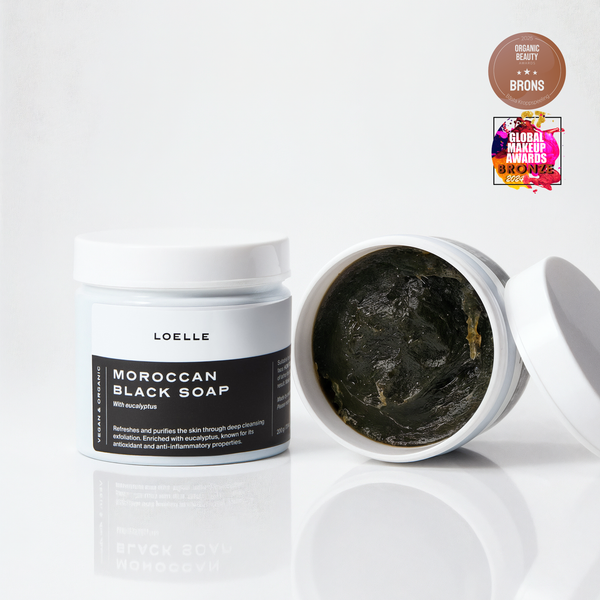
Moroccan Black Soap - Paste - 200g
Eucalyptus black soap paste for a spa-style hammam cleanse that exfoliates and hydrates.
Sold out