
-
Out of stock
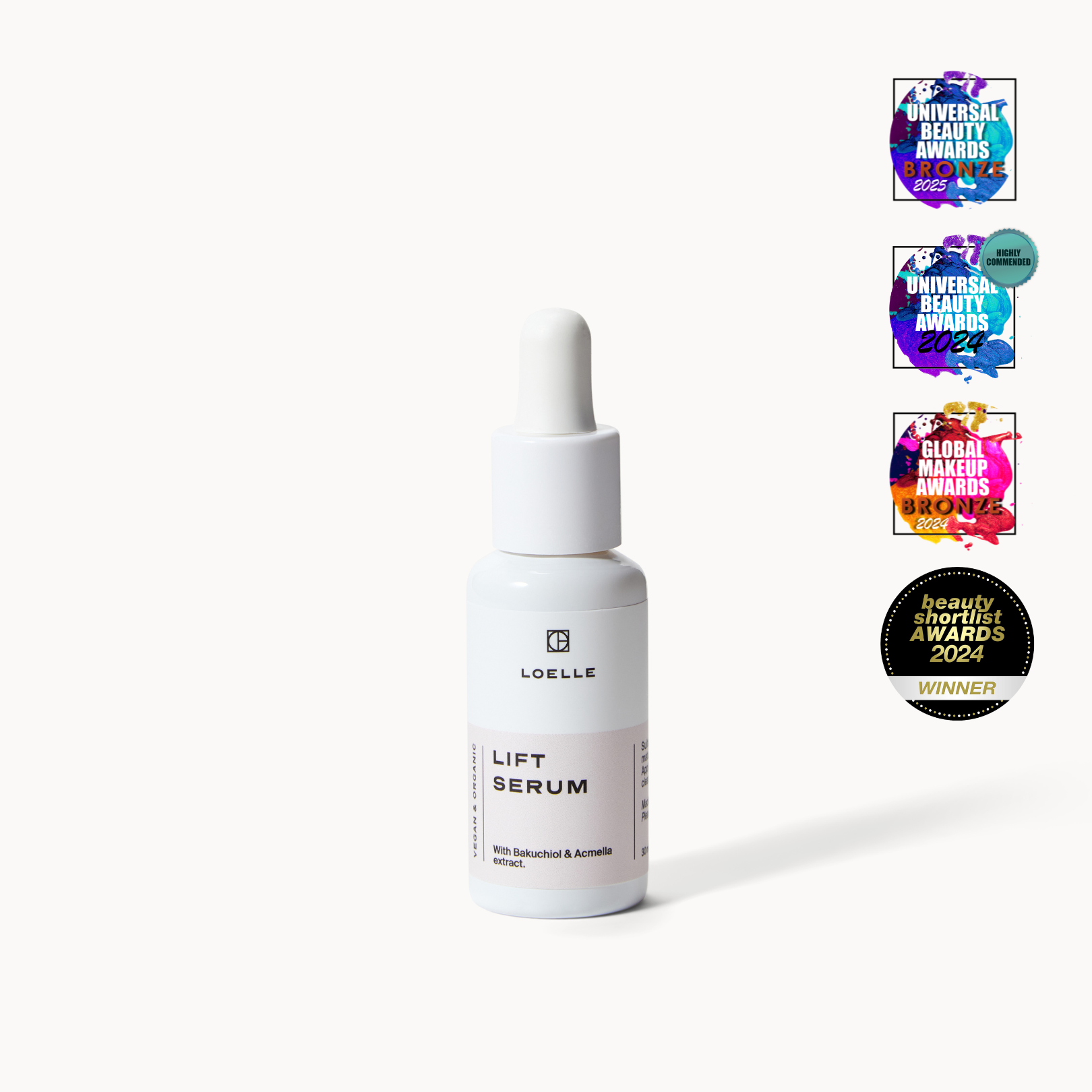
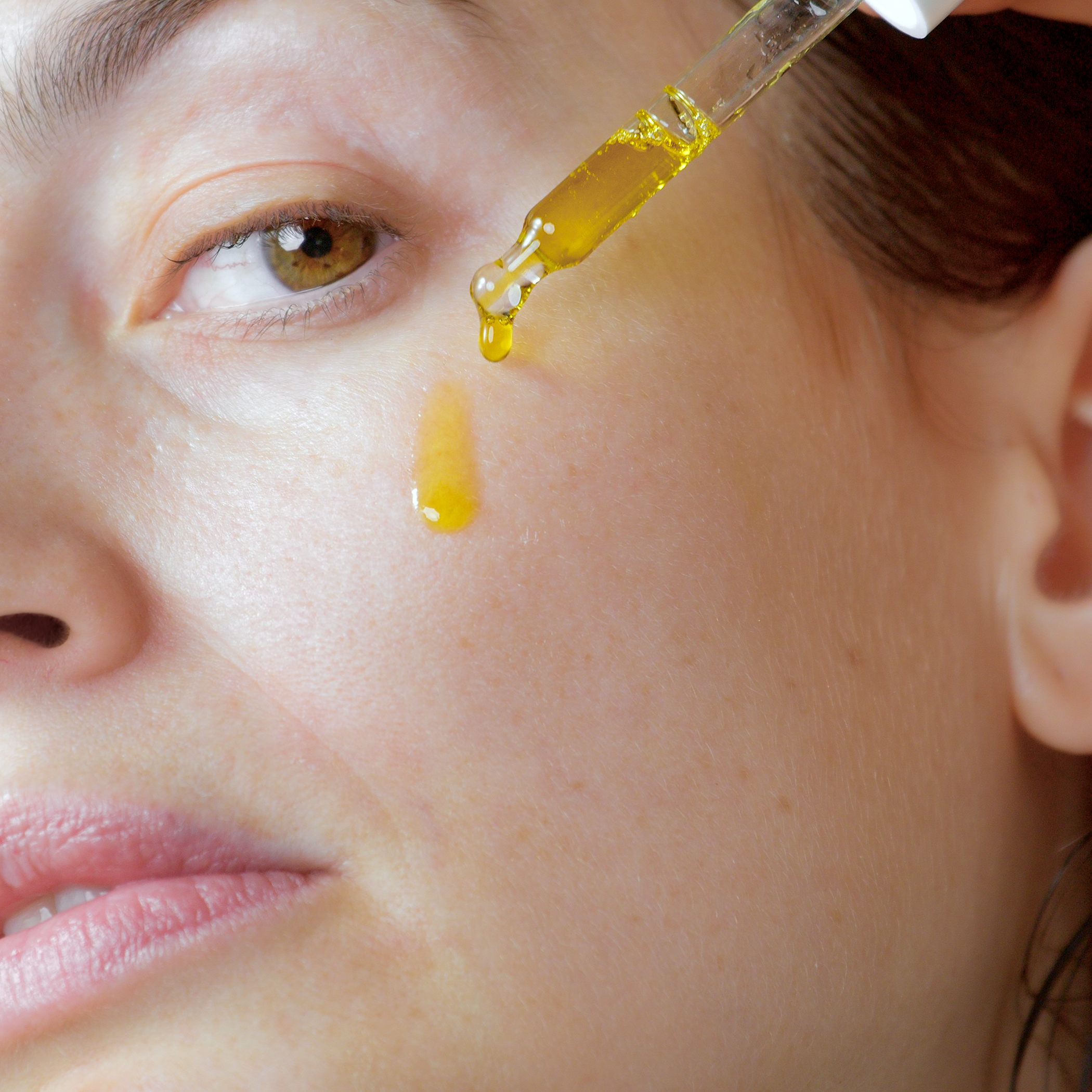
Lift Serum
Plant-based firming serum with Bakuchiol that smooths fine lines and restores elasticity.
999 krClearance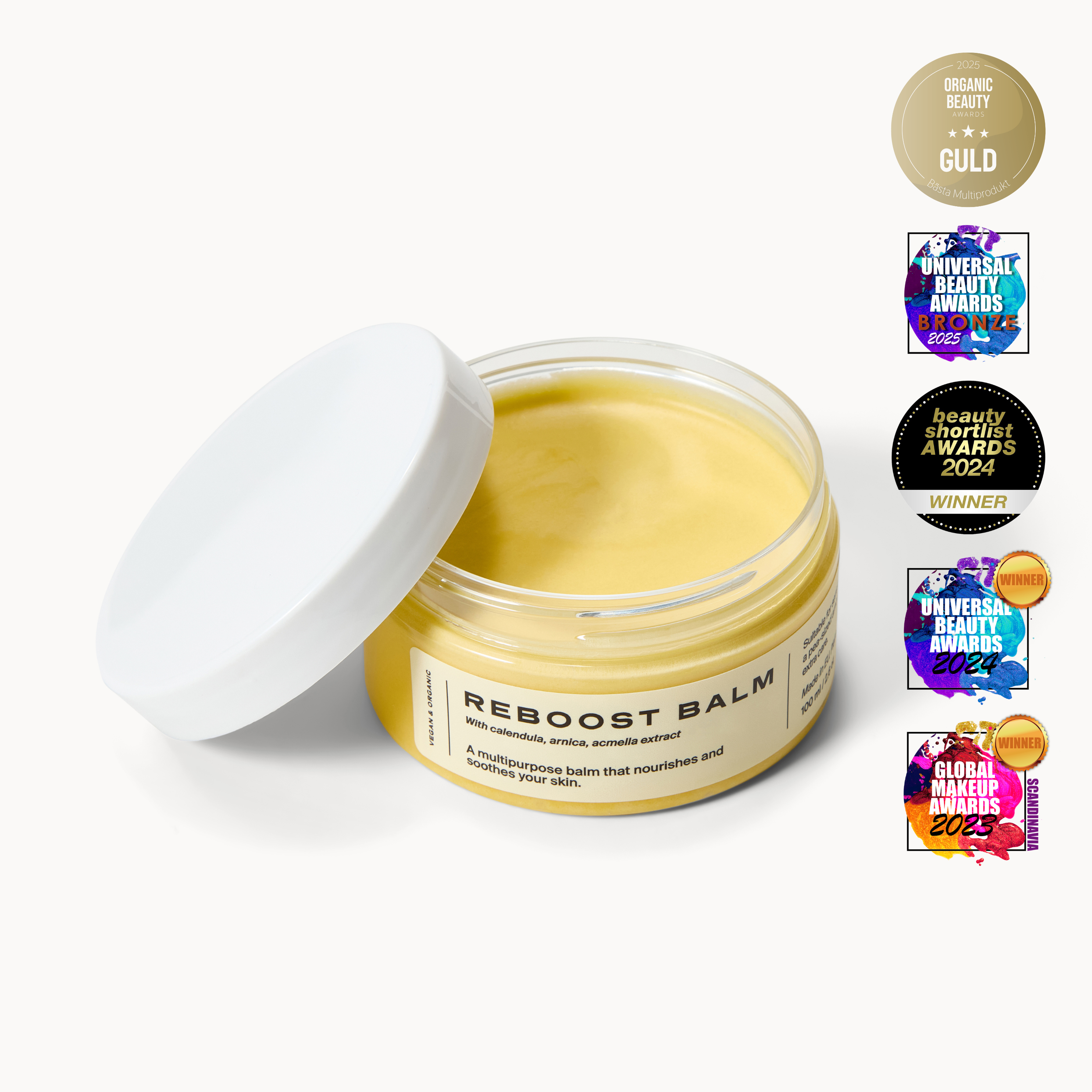
Reboost Balm - 100ml
Multi-purpose rescue balm for dry, stressed skin, lips and cuticles.
1,998 kr2 for 499 krOut of stock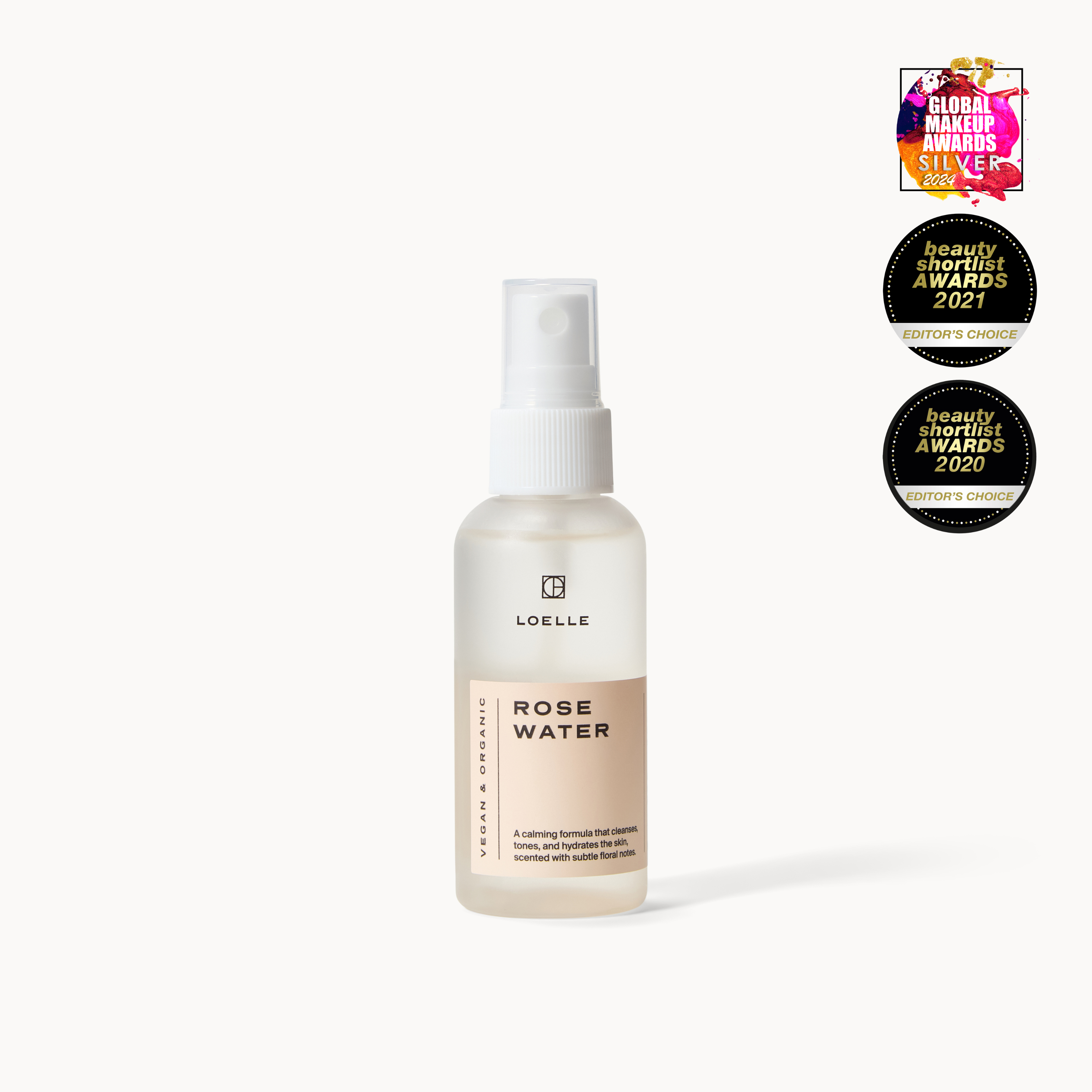
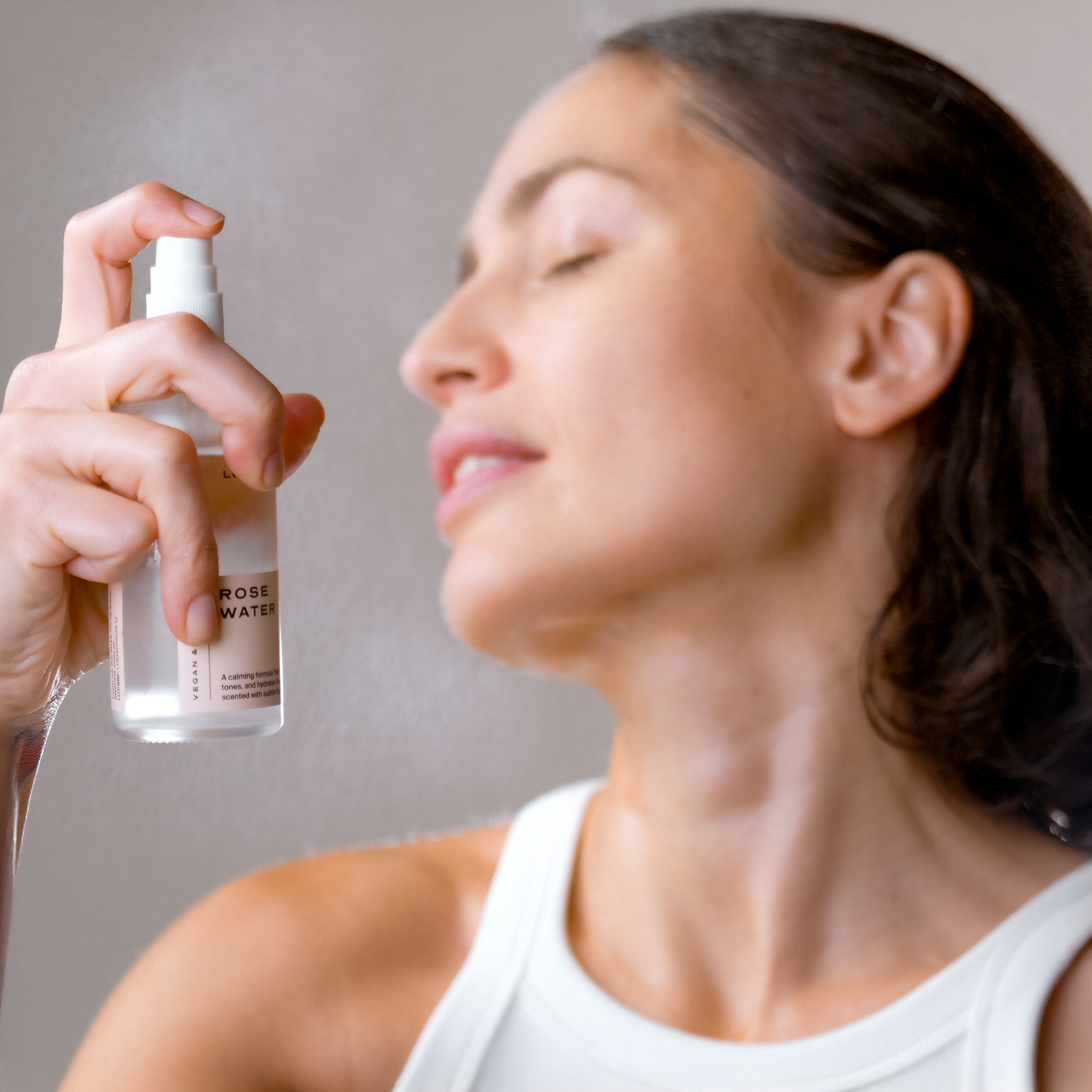
Rose Water - Traveller - 50ml
Travel-size rose mist that tones, hydrates and refreshes skin on the go.
169 kr
-
Nourish: Feed Your Skin From Within
Glowing skin starts on your plate as well as in your jar. What research says about feeding your skin – from the inside and the outside.
Your diet shows on your skin
One of the largest studies on food and skin followed 4,025 women aged 40–74. Those who ate more vitamin C had fewer wrinkles and less age-related dryness. A higher intake of linoleic acid – an essential fatty acid found in seeds, nuts and plant oils – was linked with less dryness and thinning of the skin, while diets high in fat and carbohydrates overall were linked with more wrinkles.
The study shows a link, not proof of cause and effect – but it matches what we know about how skin is built: vitamin C is needed to make collagen, and linoleic acid is a building block of the skin barrier.
Eat for your skin
In a randomised trial, women who ate 55 g of tomato paste with olive oil every day for 12 weeks – rich in the red pigment lycopene – had better protection against UV-induced redness and signs of less collagen damage than the control group. It is not a replacement for sunscreen, but it shows that colourful plant foods can support the skin from within.
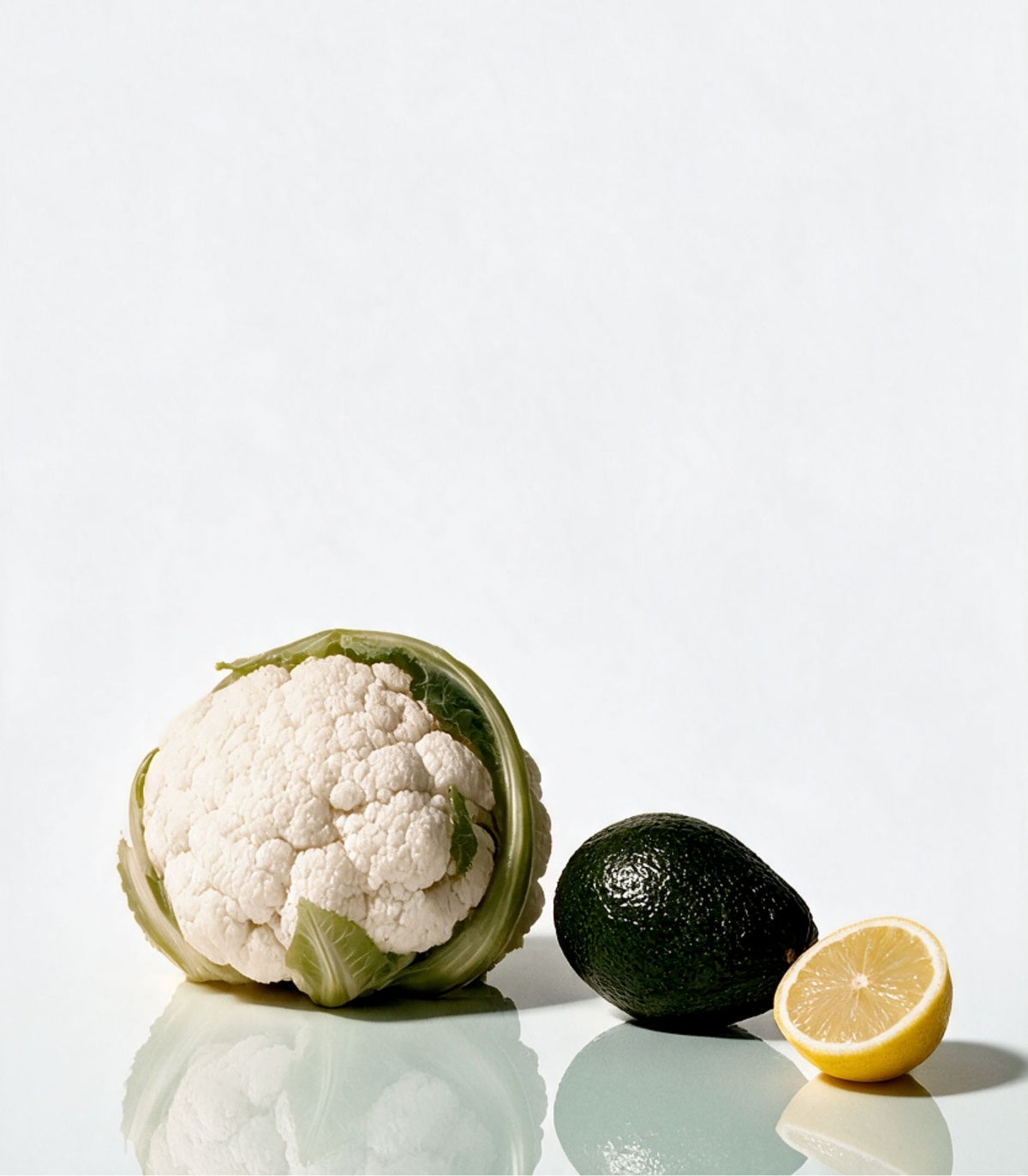
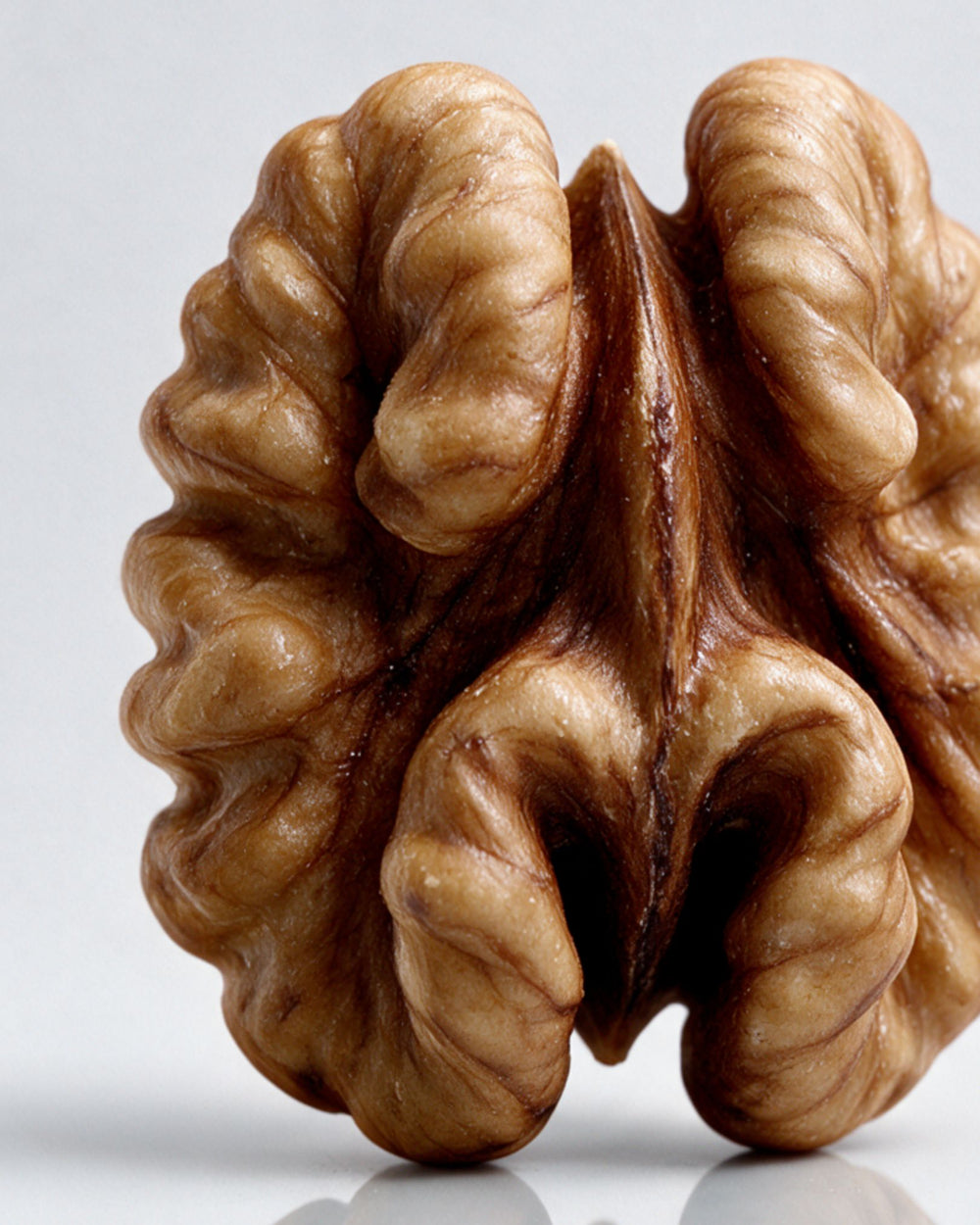
Omega-3 fatty acids, from oily fish, walnuts, flaxseed or algae, are also being studied for their potential to help protect skin against UV damage. Berries, citrus, peppers and leafy greens add vitamin C.
Water – with a nuance
Does drinking more water give you more hydrated skin? A study of 49 women found that adding about two litres of water a day for a month improved hydration in both the surface and the deeper layers of the skin – most clearly in those who drank little to begin with.
In other words: if you already drink enough, more water won’t transform your skin. If you don’t, it’s one of the simplest things you can change.
Feed the barrier from the outside
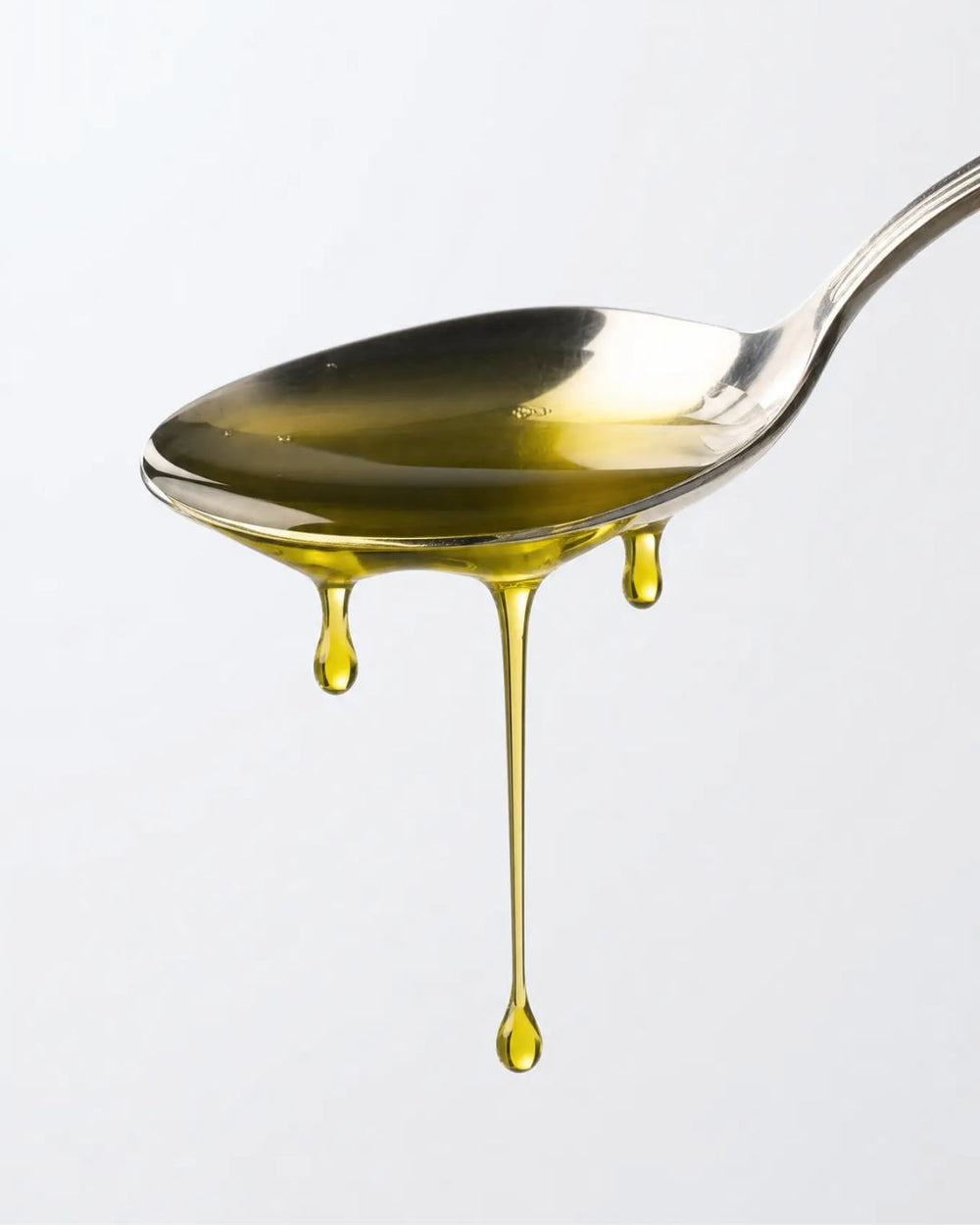
The skin barrier is made of lipids – ceramides, cholesterol and fatty acids. Plant oils and butters are rich in fatty acids similar to the skin’s own, so they can support the barrier from the outside while your diet does its part from within.
Reboost Balm is built on shea butter and argan oil, Lift Serum contains prickly pear seed oil rich in linoleic acid and vitamin E, and Recovery Serum adds ceramides. Read more about vitamin C and vitamin E in Nature’s Most Potent Superfruits.
Food trends, decoded
| Aspect | The promise | What we know |
|---|---|---|
| Drinking more water | Plumper skin for everyone | Improves skin hydration most in people who drink little to begin with |
| Eating tomatoes | An edible sunscreen | Lycopene-rich tomato paste improved UV protection in a trial – but it does not replace SPF |
| A vitamin C-rich diet | Fewer wrinkles | Linked with fewer wrinkles and less dryness in a study of 4,025 women |
| Omega-3 | An anti-inflammatory glow | Promising for protecting skin against UV damage – research is ongoing |
Your skin is built from what you eat – and cared for by what you put on it.– Loelle
Everyday nourishment
Berries, citrus, tomatoes and greens for vitamin C and plant pigments.
Seeds, nuts, plant oils and oily fish or algae for essential fatty acids.
Especially if you usually drink little – that’s where the skin benefits most.
Plant oils and butters give the skin lipids it recognises.
Sources
- Cosgrove et al. (2007). Dietary nutrient intakes and skin-aging appearance among middle-aged American women. Am J Clin Nutr
- Rizwan et al. (2011). Tomato paste rich in lycopene protects against cutaneous photodamage in humans in vivo. Br J Dermatol
- Nicolaou et al. (2011). Omega-3 polyunsaturated fatty acids: photoprotective macronutrients. Exp Dermatol
- Palma et al. (2015). Dietary water affects human skin hydration and biomechanics. Clin Cosmet Investig Dermatol
Nourish your barrier
Cold-pressed plant oils and butters, made to work with your skin’s own lipids.
Shop face careBestsellers
Our most-loved formulas, chosen again and again.

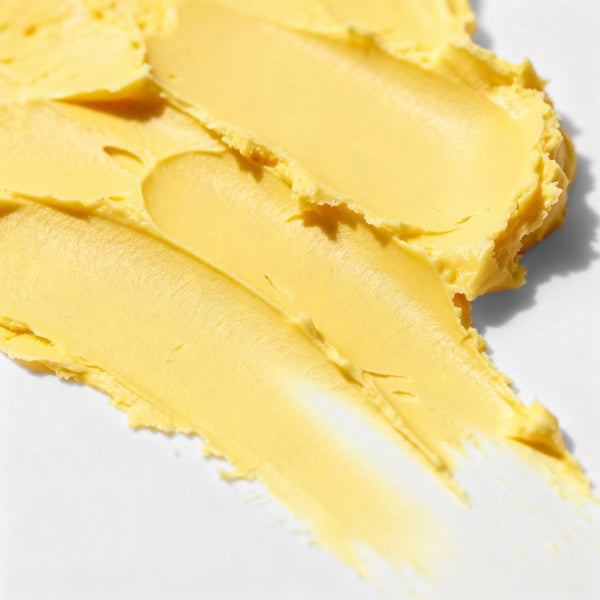
Reboost Balm - 100ml
Multi-purpose rescue balm for dry, stressed skin, lips and cuticles.
2 for 499 kr
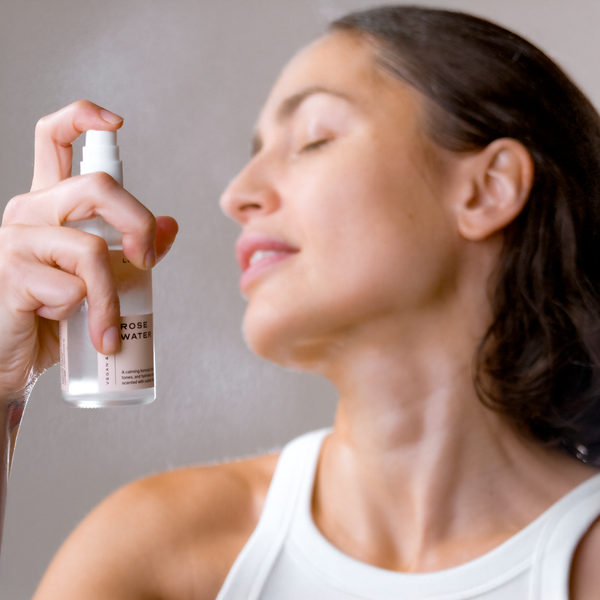
Rose Water - 100ml
Toning, hydrating rose mist that leaves skin fresh with a soft floral glow.
269 kr
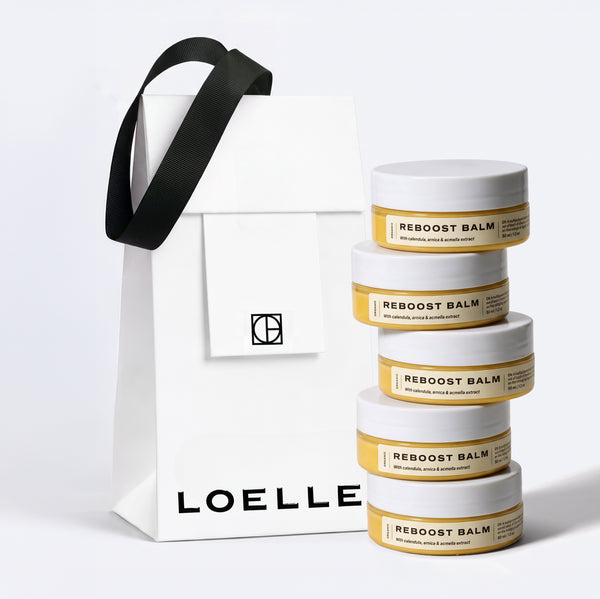
Reboost Balm - 50ml
Multi-purpose rescue balm for dry, stressed skin, lips and cuticles.
499 kr
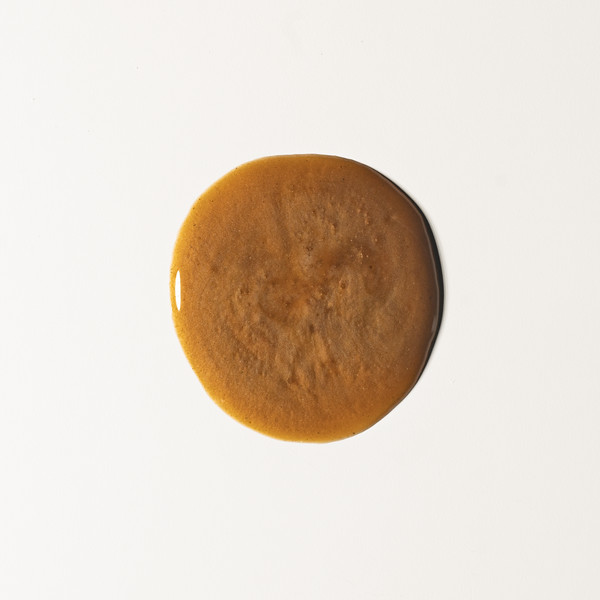
African Black Soap Liquid
Deep-cleansing liquid soap with plantain ash, neem and shea butter.
Sold out
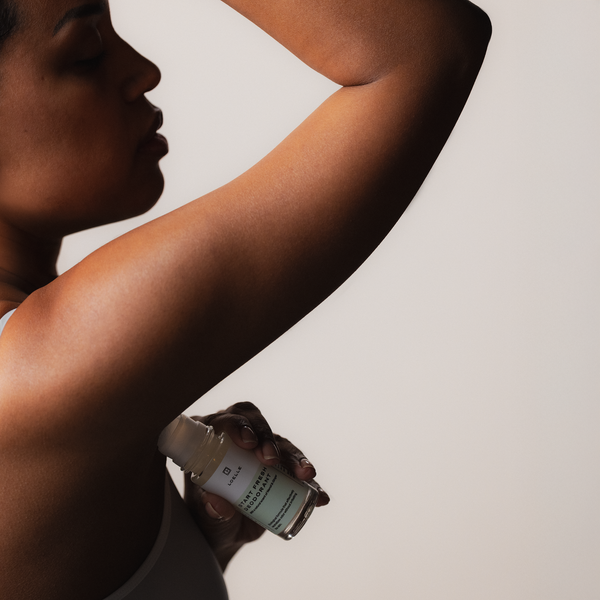
Start Fresh Deodorant
Aluminum-free deodorant with birch sap and aloe vera that works with your body.
Sold out
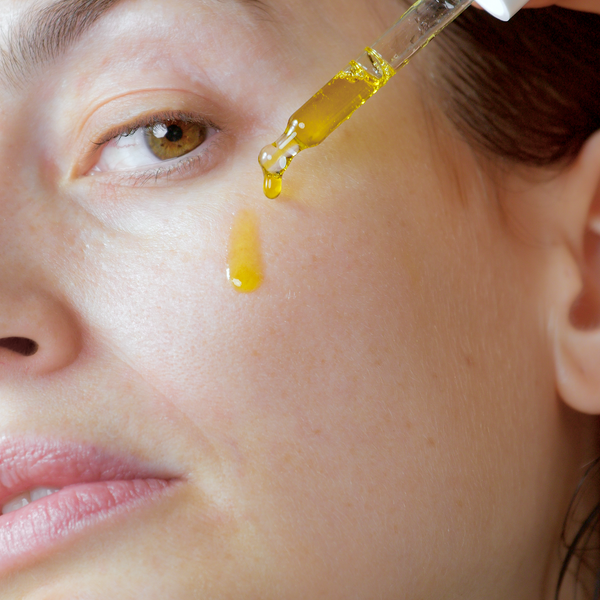
Lift Serum
Plant-based firming serum with Bakuchiol that smooths fine lines and restores elasticity.
Sold out
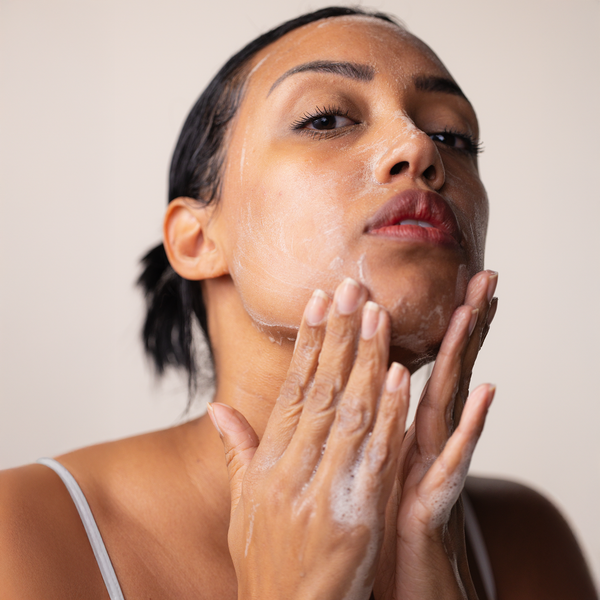
African Black Soap Bar
Traditional African black soap that gently deep-cleanses and balances face and body.
Sold out
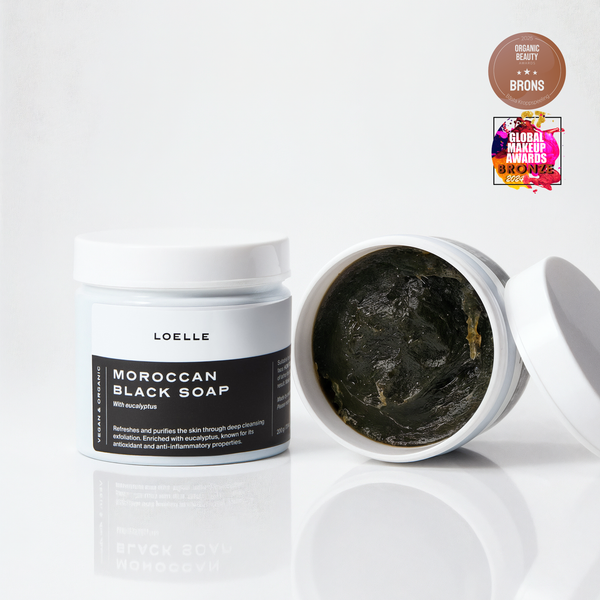
Moroccan Black Soap - Paste - 200g
Eucalyptus black soap paste for a spa-style hammam cleanse that exfoliates and hydrates.
Sold out