
Refresh: The Power of Cold
Into the cold
In the Nordic countries, people have bathed in cold water for generations – a quick dip in the lake, the sea or a hole cut in the ice, all year round. (Often after the sauna – read more about heat in Detox.) What was once a winter tradition has become a global wellness trend, with ice baths, cold plunges and cold showers everywhere on social media.
The idea is simple: short, controlled exposure to cold is a small stress for the body, and the body adapts. But what does the research actually show?
What the research says
The largest overview so far, a 2025 meta-analysis of 11 studies with 3,177 participants, found that cold-water immersion lowered stress for around 12 hours afterwards and slightly improved quality of life – although that effect faded after three months. There was some evidence of better sleep, but only from studies on men. Right after a cold dip, inflammation markers rose briefly – the body’s reaction to a stressor. Popular claims about a stronger immune system or better mood had very little support.
In the biggest single trial, 3,018 adults ended their usual warm shower with 30, 60 or 90 seconds of cold water every day for a month. They reported 29% fewer days off work due to sickness – but they were not ill on fewer days.
A Norwegian review of 104 studies sums it up: some benefits look promising, such as better insulin sensitivity, but many may come from the active, social lifestyle that winter bathers share rather than from the cold itself.
Ice baths for sore muscles
Athletes have used ice baths for decades. A Cochrane review of 17 small trials found that cold-water immersion after exercise reduced muscle soreness one to four days later compared with resting. The researchers add a caveat: participants knew which treatment they got, which may have coloured how sore they felt.
Cold for your face
Dipping your face in ice water, rolling an ice roller over your cheeks or pressing frozen cucumber slices on your eyes – cooling the face is one of social media’s favourite morning rituals. It works through a simple reaction: when skin meets cold, the small blood vessels near the surface narrow. Blood flow and fluid in the area drop for a while, so the skin looks less red and less puffy, and you look more awake.
The best evidence is for puffiness, especially under the eyes, where cool compresses have long been recommended. The effect is temporary, though, and bolder claims – fewer wrinkles, smaller pores, a lifted face – have not been shown in clinical studies. Dermatologists describe icing as a feel-good ritual rather than a treatment.
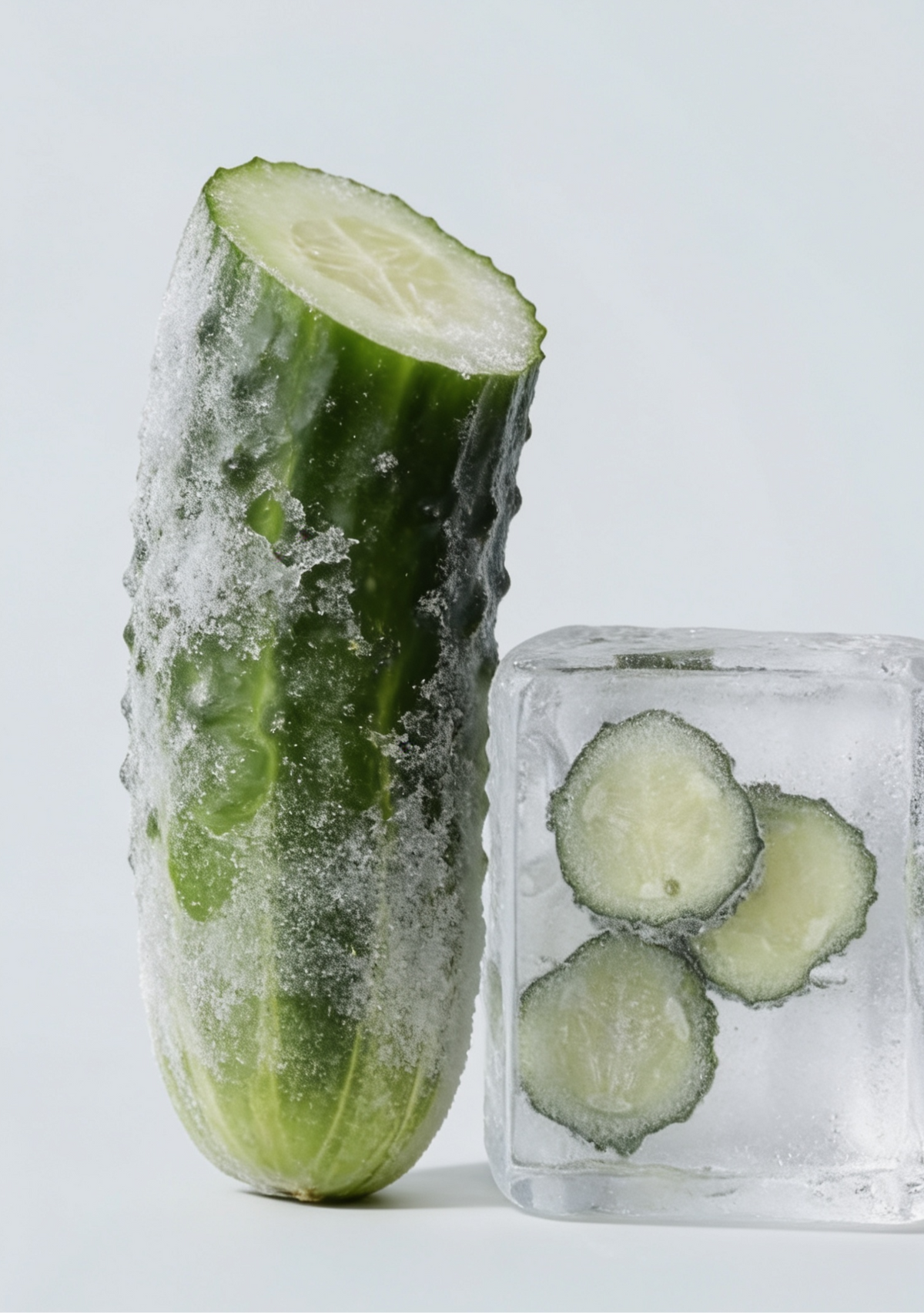
Cucumber slices on the eyes are one of the oldest beauty images there is. Cucumber is around 95% water and contains vitamin C and other antioxidants, and it has a long traditional use for soothing and cooling the skin. Much of the de-puffing, though, comes from the cold itself – which is why the latest version of the trend is frozen cucumber.
Never put ice directly on the skin: wrap it in a thin cloth and keep it there for a few minutes at most. Very dry skin and rosacea can react to intense cold with redness and irritation.
A gentler way to cool down
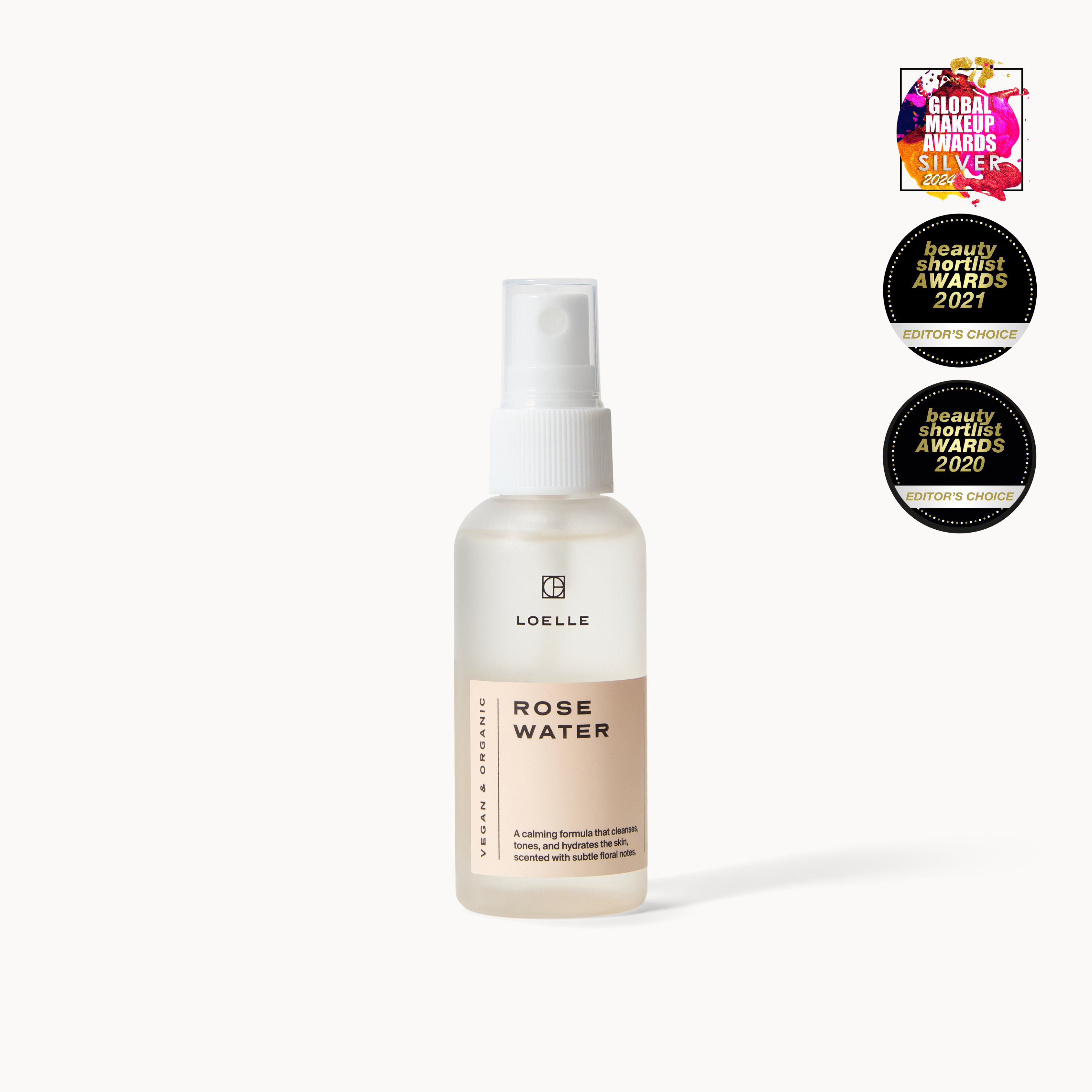
Floral waters are made by steam-distilling fresh flowers, the same way rose water has been made in Persia for centuries – nothing added. Keep a bottle of rose water or neroli water in the fridge and mist it over your face and body in the morning or after a cold dip. It cools and refreshes without the shock of ice.
Warm up and nourish
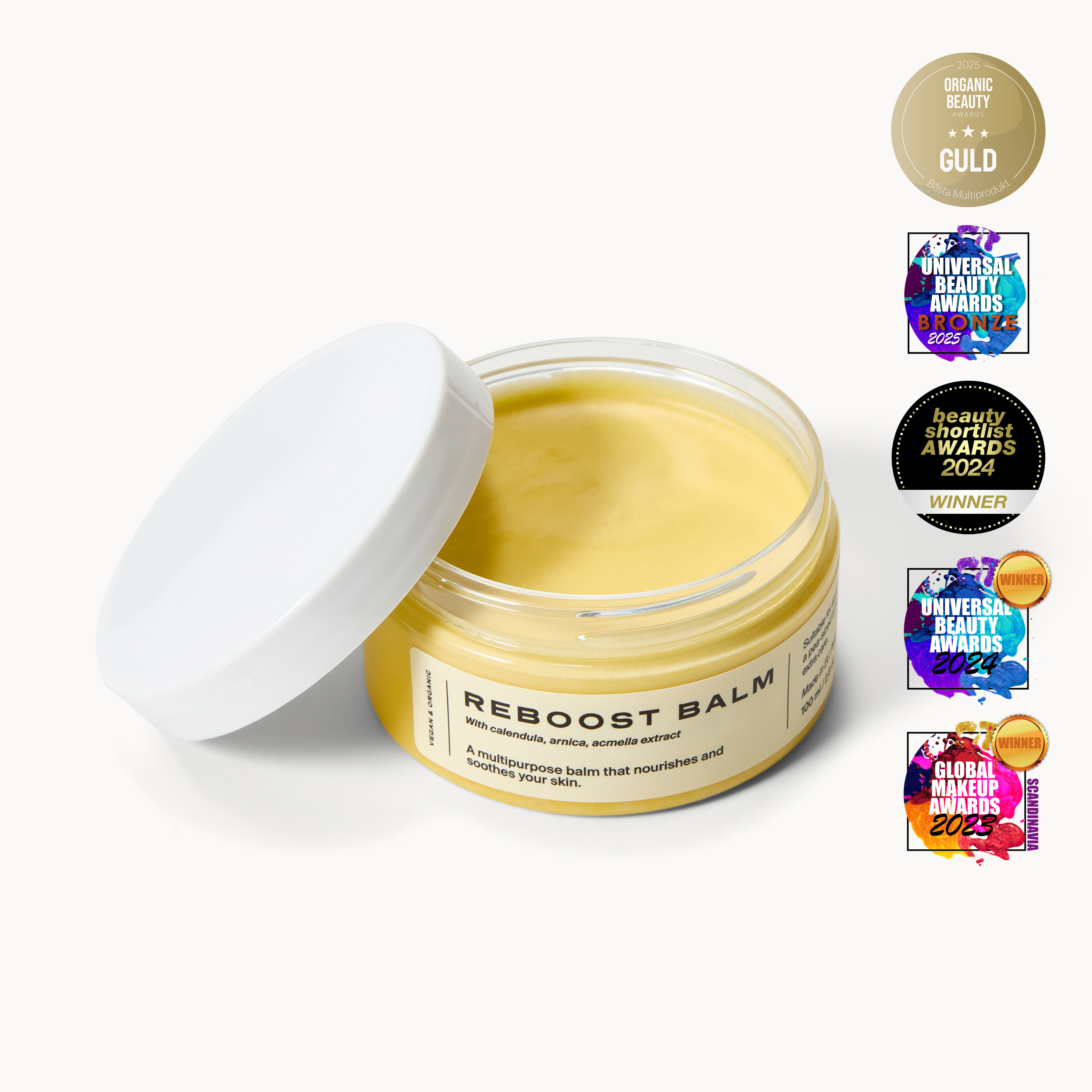
Cold water, wind and dry winter air can all leave skin feeling dry and tight. After your dip, pat the skin dry and give it lipids it recognises: a few drops of plant oil, or Reboost Balm – water-free and made with shea butter, argan oil and calendula – on hands, elbows, legs and face.
Trend check
| The promise | What we know | |
|---|---|---|
| Ice bath / cold plunge | Boosts immunity and mood | Less stress for around 12 hours in studies – very little evidence for immunity or mood |
| Cold showers | Fewer sick days | 29% less sickness absence from work – but not fewer days of illness |
| Ice bath after training | Faster recovery | Less muscle soreness in small trials, where participants knew their treatment |
| Ice rolling | A sculpted, lifted face | Can calm morning puffiness for a short while – no proof of lifting |
| Ice-water face dip | Tighter pores, fewer wrinkles | Temporarily less redness and puffiness – no studies on wrinkles or pores |
| Frozen cucumber | Bright, de-puffed eyes | The cold does most of the de-puffing; cucumber adds water and antioxidants |
Sources
- Cain et al. (2025). Effects of cold-water immersion on health and wellbeing: a systematic review and meta-analysis. PLOS ONE
- Buijze et al. (2016). The effect of cold showering on health and work: a randomized controlled trial. PLOS ONE
- Espeland et al. (2022). Health effects of voluntary exposure to cold water – a continuing subject of debate. Int J Circumpolar Health
- Bleakley et al. (2012). Cold-water immersion (cryotherapy) for preventing and treating muscle soreness after exercise. Cochrane Review
- Tipton et al. Cold water therapies: minimising risks. Br J Sports Med
- National Geographic. Do ice facials really work? Dermatologists weigh in
- Phytochemical and therapeutic potential of cucumber (2013), review